The Emotional Benefits of Learning a Musical Instrument
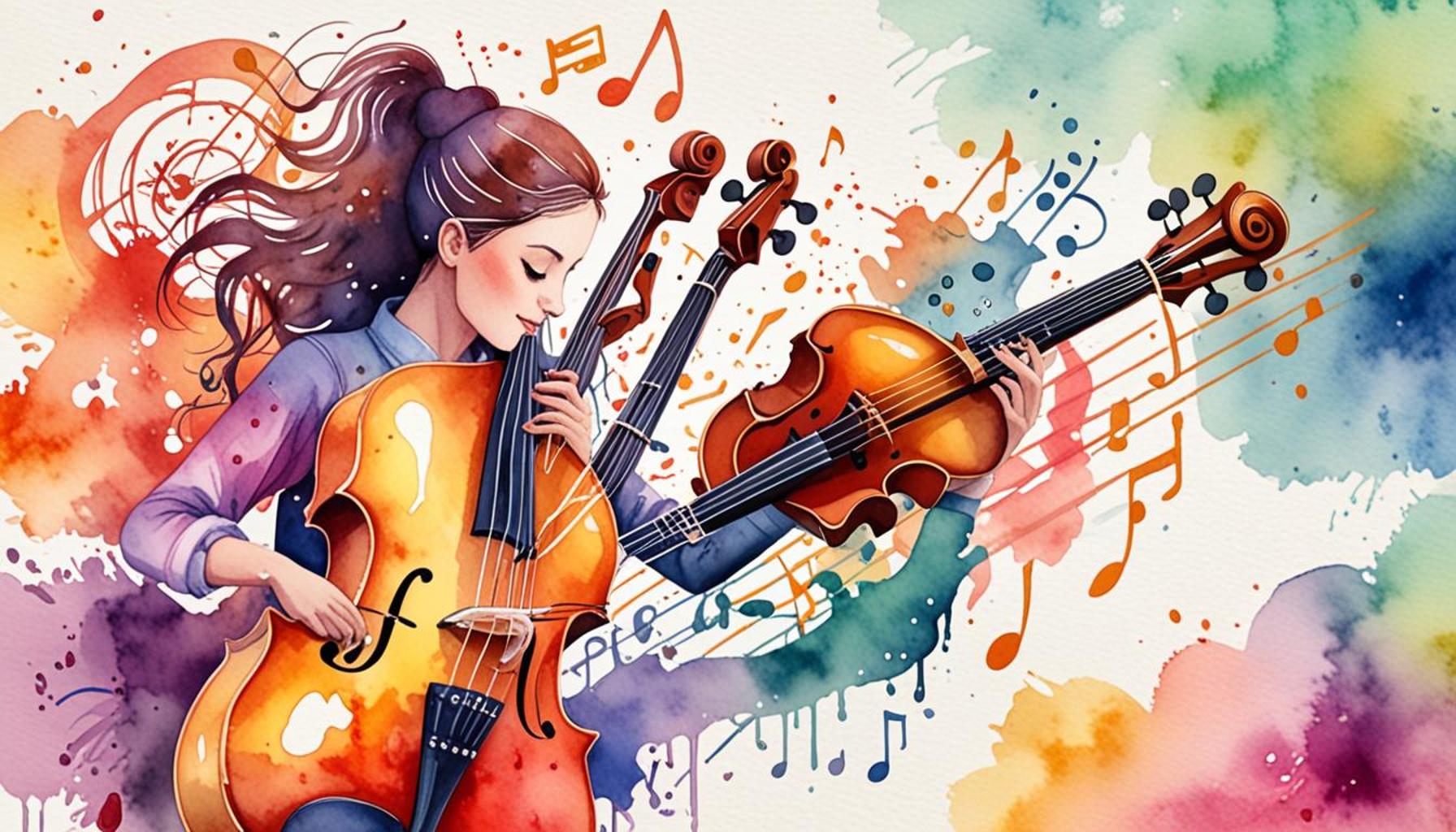
The Transformative Power of Music in Emotional Growth
Engaging with a musical instrument transcends the realm of mere creativity; it takes you on a profound journey of emotional growth and personal discovery. Learning an instrument can significantly enhance mental health and emotional resilience, providing benefits that ripple through various aspects of life.
Many underestimate the emotional advantages connected to playing an instrument, often viewing music education solely as an artistic endeavor. However, the impact of music on mental well-being is profound and multifaceted. Here’s an in-depth look into what embracing music can bring to your life:
- Stress Relief: In today’s fast-paced world, stress is an omnipresent challenge. Playing music has been shown to lower cortisol levels, the hormone associated with stress, while promoting relaxation and tranquility. For instance, a study published in the journal *Psychology of Music* found that individuals who played musical instruments reported significantly lower stress levels compared to non-players.
- Boosted Self-Esteem: Mastering a new piece of music or achieving proficiency on an instrument instills a sense of accomplishment that can enhance self-esteem. This feeling of prosperity extends to other areas of life, fostering a more positive self-image. Take the example of children involved in music programs, where they often develop a sense of pride from performing in front of others, thereby strengthening their self-assurance.
- Enhanced Cognitive Skills: Music engages both analytical and creative parts of the brain, fostering improved cognitive abilities. Learning to read music, understand rhythm, and coordinate finger movements stimulates neural pathways associated with learning and memory. This can lead to heightened capabilities in areas such as mathematics and language. For example, studies have shown that children who learn to play an instrument often perform better in phonological awareness and reading comprehension, essential skills for academic success.
Moreover, the communal aspect of music cannot be overlooked. For individuals across the United States, regardless of age, learning an instrument fosters deeper emotional connections and a sense of belonging. Whether participating in a community band, attending jam sessions, or simply sharing music with friends and family, these experiences not only cultivate individual growth but also build supportive relationships.
The decision to pick up a musical instrument can spark joy and improve focus. Whether it’s the soothing sound of a piano or the vibrant notes from a guitar, the emotional and mental benefits are both immediate and enduring. So, are you ready to explore how music can reshape your emotional landscape and enhance your quality of life? Dive into the world of music and discover a transformative journey waiting for you.
DIVE DEEPER: Click here to discover creative DIY projects
Emotional Healing Through Musical Expression
Learning a musical instrument goes far beyond notes and scales; it becomes a vital outlet for emotional expression and healing. Music has long been lauded for its ability to touch the deepest chords of the human soul, and when someone engages with an instrument, they often unlock a myriad of emotional benefits that greatly enhance their mental well-being.
Emotional expression is one of the foremost benefits associated with playing an instrument. Whether it’s the gentle strumming of a guitar or the powerful chords of a piano, music allows individuals to articulate feelings that may be difficult to express in words. This creative outlet can serve as a form of therapy, helping to process complex emotions such as sadness, anger, or even joy. A study published in the *Journal of Music Therapy* found that participants who engaged in musical activities reported decreased symptoms of anxiety and depression. In a world where mental health issues are on the rise, having an avenue for emotional release can be invaluable.
Furthermore, learning an instrument cultivates patience and discipline, qualities that are essential for emotional maturity. Mastering an instrument requires consistent practice, perseverance, and resilience in the face of challenges. This journey not only leads to musical proficiency but also teaches individuals how to cope with setbacks and frustrations constructively. Children and adults alike benefit from this process, as they learn that achievement is a gradual journey, fostering a more adaptable mindset. For instance, when students struggle with a difficult piece, they learn that dedication and effort can lead to eventual success, nourishing their emotional fortitude.
The act of making music also promotes social connections. Joining a band or participating in group lessons offers a unique opportunity to foster friendships and build community. These interactions can create a strong support system, essential for emotional health. Engaging in musical groups helps combat feelings of loneliness, often engraining a sense of belonging among players. According to the National Endowment for the Arts, community music programs encourage social bonding and shared experiences, which are pivotal for emotional well-being.
Moreover, as people compose, improvise, or perform, they experience moments of flow, a psychological state where they are entirely immersed in the activity. This experience can lead to increased happiness and satisfaction, acting as a buffer against stress and anxiety. The more time one spends in this state, the more they can cultivate a profound sense of fulfillment and joy in their life.
Music truly transcends barriers, serving as a universal language that resonates with all. Regardless of age or experience, the emotional benefits gained from learning a musical instrument can enhance life profoundly. With every note played and each rhythm absorbed, one embarks on a fulfilling journey that nurtures the heart and mind.
The Emotional Benefits of Learning a Musical Instrument
Learning a musical instrument is more than just picking up a new hobby; it serves as a profound source of emotional growth and stability. The transformative journey of mastering an instrument can lead to a lifelong appreciation of music, which has various emotional benefits. From enhancing personal confidence to fostering an intimate connection with creativity, the impact of music education is undeniably significant.
| Emotional Growth | Key Benefits |
|---|---|
| Increased Self-Esteem | Learning to play an instrument fosters a sense of accomplishment, enhancing personal identity and encouraging self-expression. |
| Stress Relief | Music has therapeutic qualities that help to alleviate anxiety and promote mental well-being, making practice a form of mindfulness. |
Furthermore, engaging with music can serve as a powerful outlet for emotions, allowing individuals to process feelings in a healthy way. Whether through the joy of composing or the satisfaction of performing, the experience of playing an instrument provides opportunities for social interaction and community building, both essential components of emotional well-being.
In today’s fast-paced world, incorporating music education can be a valuable tool for emotional resilience, making it essential to explore these benefits further. Join us as we delve deeper into the myriad ways learning a musical instrument can enrich the emotional landscape of individuals of all ages.
DISCOVER MORE: Click here for seasonal DIY decor ideas
Cognitive Benefits Enhancing Emotional Well-Being
In addition to the profound emotional advantages, learning a musical instrument has been shown to yield numerous cognitive benefits, which indirectly support emotional health. Engaging with a musical instrument requires the use of multiple brain functions simultaneously, inculcating a unique mental workout that promotes better mental flexibility and enhances overall brain power.
Research indicates that playing an instrument can substantially improve memory capacity. Musicians often excel in both verbal and visual memory tasks, largely due to the process of memorizing notes, rhythms, and complex patterns. According to a study by the *University of Kansas*, children who received music education performed significantly better on standardized tests than their non-musical peers. This correlation underscores how enhanced cognitive skills foster greater self-esteem and confidence, ultimately affecting emotional states positively.
Problem-solving skills find a fertile ground in musical training as well. When faced with a difficult piece, musicians learn to approach challenges from different angles, develop innovative solutions, and think critically. The act of analyzing a piece of music encourages strategic thinking and adaptability, qualities that are essential in coping with life’s emotional challenges. This skill set not only becomes beneficial during practice sessions but translates into everyday life situations, making individuals more resilient.
The Role of Mindfulness in Musical Practice
Moreover, learning a musical instrument fosters a sense of mindfulness. When immersed in practice, musicians engage in a deep focus that mimics meditation. This state of mindfulness has been linked to reduced stress levels and improved emotional regulation. Techniques like breath control while playing wind instruments or maintaining a steady rhythm on percussion can help individuals develop greater patience and serenity, allowing them to handle emotional turmoil more effectively. Studies, including those by the *American Psychological Association*, highlight mindfulness practices as crucial for enhancing emotional well-being in today’s fast-paced world.
Opportunities for Personal Development
Learning an instrument additionally provides a roadmap for personal development. Musicians often set personal goals, whether it’s mastering a challenging piece or performing publicly. Each achievement fosters a sense of pride and accomplishment, crucial elements for building emotional resilience. The thrill of playing for an audience—whether it’s friends, family, or a larger venue—can bolster confidence and combat feelings of insecurity. It empowers individuals to step outside of their comfort zones, nurturing a spirit of adventure and exploration.
Additionally, musical experience can serve as a hallmark of identity formation, especially for adolescents. Being part of a musical community or ensemble can provide young people with a medium to express themselves authentically. These interactions can lead to the development of a personal identity and enhance self-worth, contributing significantly to emotional balance during critical developmental stages.
Ultimately, the layers of emotional benefits derived from learning a musical instrument are multifaceted. From cultivating cognitive skills and mindfulness practices to fostering personal development and resilience, each aspect intertwines to create a robust framework for emotional health. As individuals engage with their instruments, they not only entertain themselves and others but also embark on an enriching journey of self-discovery and emotional growth.
DISCOVER MORE: Click here to learn how abstract art can enhance your well-being
Conclusion: Embracing the Emotional Symphony of Music
In conclusion, the emotional benefits of learning a musical instrument resonate far beyond the notes played and the rhythms mastered. Harnessing creativity through music allows individuals to explore their innermost thoughts and feelings, providing a safe space for expression and emotional release. The process not only alleviates stress but also cultivates a sense of connection and belonging, crucial for emotional well-being.
The cognitive enhancements gained through musical training—ranging from improved memory to heightened problem-solving skills—also play a pivotal role in emotional resilience. Musicians often find themselves better equipped to navigate life’s hurdles, as the mental rigor required to learn an instrument supports critical thinking and adaptability in the face of adversity. Mindfulness fostered through practice further enhances emotional regulation, making it easier to maintain calm during stressful situations.
Moreover, the journey of continuous personal development that accompanies learning an instrument instills a profound sense of accomplishment. Setting and achieving musical goals leads to increased self-esteem and confidence that extends well beyond the musical realm, empowering individuals to tackle challenges in various aspects of life.
As the joy of performing allows musicians to share their passion with others, the communal aspect of music serves as a reminder of our shared humanity. So, whether you are a budding musician or simply contemplating taking up an instrument, know that the odyssey of learning music is not just about the final product—it’s about the enriching emotional transformation that occurs along the way. Dive into the world of music and discover the symphony of emotional benefits that await you.
Related posts:
Music and Movement: The Intersection Between Dance and Musical Expression
Music as a Form of Protest and Social Change
Exploring Musical Improvisation as a Form of Creative Freedom and Self-Expression
The Influence of Music on Personal Identity Formation
How Musical Improvisation Can Enhance Creativity
The Influence of Music on the Expression of Human Vulnerability

Linda Carter is a writer and creative hobbies expert specializing in crafting, DIY projects, and artistic exploration. With extensive experience helping individuals discover their creative potential and bring their ideas to life, Linda shares her knowledge on our platform. Her goal is to empower readers with practical tips, inspiring ideas, and step-by-step strategies for success in the world of creative hobbies.