The Influence of Music on Personal Identity Formation
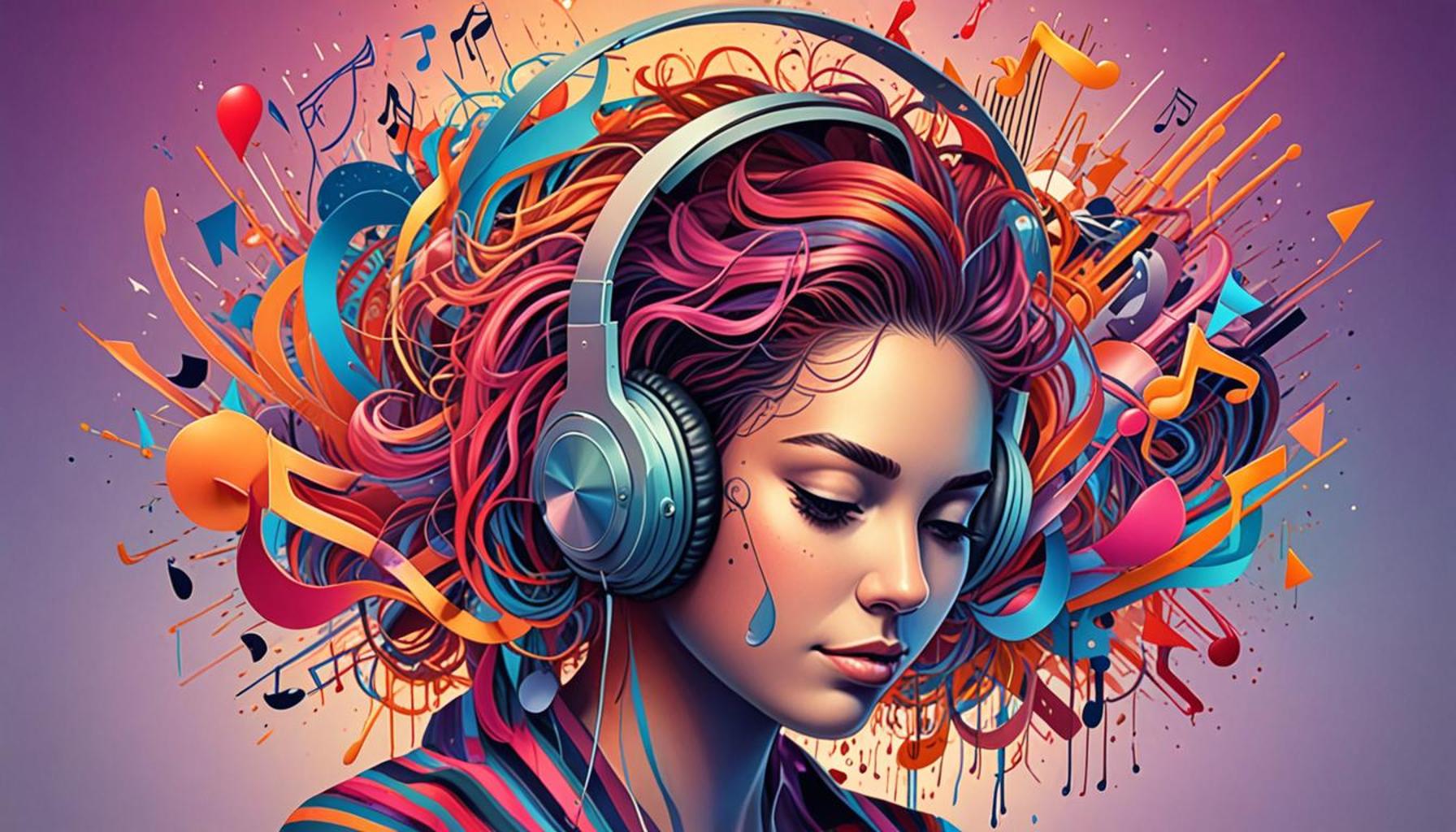
Understanding the Impact of Music on Personal Identity
From the moment we wake up to our favorite songs playing in the background, music is intricately woven into the fabric of our daily lives. It transcends mere entertainment, emerging as a powerful force that molds our personal identity, shaping who we are and how we perceive ourselves. In a diverse society like the United States, music serves as both a mirror and a mold, reflecting our experiences while simultaneously influencing our development through various stages of life.
Music influences various aspects of identity formation in profound ways:
- Emotional Connection: Tunes evoke feelings and memories, anchoring pivotal moments in our lives. For instance, a particular song might remind someone of their first dance, a breakup, or a cherished road trip, intertwining music with key emotional experiences.
- Cultural Significance: Different genres reflect cultural backgrounds, allowing individuals to connect with their roots. For example, the rhythms of salsa symbolize the vibrant culture of Latin American communities, while blues music narrates the histories and struggles within African American culture.
- Social Bonds: Shared musical tastes can foster friendships and strengthen communities. High school students often bond over the latest pop hits or indie bands, creating a sense of belonging and shared experience that lasts into adulthood.
In the United States, diverse genres—from jazz to hip-hop—serve as tangible representations of various cultural narratives. Jazz music, born in New Orleans, showcases the rich melange of African American history and innovation, while hip-hop articulates urban experiences and social issues, acting as a voice for the marginalized. These genres not only tell stories but also frame the cultural dialogue, highlighting themes such as resilience, resistance, and identity.
Moreover, younger generations frequently turn to platforms like TikTok or Spotify, indicating how the digital age influences music consumption and, by extension, identity. Curation of personal playlists has become an art form in itself; individuals actively choose songs that resonate with their emotional states, aspirations, and past experiences. In this way, by crafting a unique soundtrack to their lives, they create a personal narrative that distinguishes them from others.
Understanding the intricacies of how music influences personal identity formation invites further exploration into this multifaceted relationship. Each note played ties back to an individual’s journey, shaping not just who they are but also how they engage with the world around them. Delving into the impact of music encourages us to appreciate its role in shaping cultural identity, emotional well-being, and social connections, enriching the complex tapestry of human experience.
DIVE DEEPER: Click here to uncover more about 3D printing in art
The Role of Music in Shaping Individual Experiences
Music is not just an art form; it acts as a profound expression of our personal identity, offering a unique lens through which we can interpret our experiences and emotions. From the pulsating rhythms of hip-hop to the soul-stirring melodies of folk music, every genre has the potential to resonate with individuals on a deeply personal level. This connection becomes especially evident during formative years, where music can leave an indelible mark on identity development.
During adolescence—a critical period of self-discovery—the influence of music intensifies. Young people begin to appreciate and analyze their feelings in relation to the songs they listen to. For many, music becomes a reliable form of emotional expression and guidance, as they navigate relationships, self-image, and their place in the world. A 2020 study published in the journal “Psychology of Music” found that teenagers who actively engage with music often report higher levels of emotional well-being and a stronger sense of identity. Their playlists become soundtracks to their lives, imbued with meaning and memory.
Moreover, music often intersects with the formation of subcultures that resonate with specific identities. Genres like punk, goth, or rap can define social boundaries and establish a sense of belonging. These subcultures serve as important touchstones for individuals seeking acceptance and recognition. High school halls are often filled with students adorned in the attire and attitude representative of the music that they love. Whether it’s the leather jackets of punk enthusiasts or the vibrant colors of pop culture fans, these choices reflect an affiliation that influences how they perceive themselves and how they wish to be perceived by others.
- Formation of Self-Image: The music individuals choose speaks volumes about their personality. Lyrics that resonate with personal struggles, triumphs, or aspirations can forge a self-identity that aligns with those themes. For instance, an individual who connects deeply with a motivational anthem may develop a self-image rooted in ambition and resilience.
- Connection to Others: Music has the incredible ability to connect people. At concerts or music festivals, individuals often experience an overwhelming sense of unity with others who share similar musical tastes. These moments strengthen social bonds and contribute to a shared identity, marking these songs as significant to their social experience.
- Resonance with Cultural Heritage: Music serves as a bridge to cultural identity. Genres like country music reflect the narratives of American life and values, while jazz and blues harken back to African American history, offering insight into cultural experiences that shape personal identities.
The profound impact of music on identity formation extends beyond individual experiences and touches upon broader societal themes. As we continue to explore this complex interplay between music and identity, it becomes increasingly clear that our playlists do much more than just fill our ears; they create the soundscape of our lives, influencing our thoughts, actions, and perceptions.
| Advantages of Music in Identity Formation | Impact on Personal Growth |
|---|---|
| Cultural Connection | Music shapes cultural identity, allowing individuals to connect with their heritage. |
| Emotional Expression | By expressing feelings through music, individuals discover their true selves and enhance self-acceptance. |
| Social Interaction | Collaborating in music fosters social bonds and creates a sense of belonging. |
| Identity Exploration | Musical choices can reflect and influence different aspects of personality, encouraging exploration of self. |
Music serves as a fundamental aspect of personal identity formation, providing a multidimensional platform for individuals. With its strong ties to cultural heritage, music fosters a sense of belonging and reinforces connections to one’s roots. Moreover, through emotional expression, individuals learn to articulate their feelings, promoting self-discovery and acceptance.The opportunity for social interaction within musical environments can lead to meaningful relationships, further enriching one’s identity. Groups often form around specific genres or musical interests, providing support and community. Additionally, music allows for ongoing identity exploration; individuals can experiment with different styles and genres as they grow, reflecting changes in their personality and values.In this dynamic landscape of personal development, the role of music cannot be overlooked. It continues to influence how we perceive ourselves and our connections to the world. As research unfolds, the profound impacts of music on identity formation present enticing avenues for further exploration.
DISCOVER MORE: Click here for seasonal DIY decor ideas
The Interplay Between Music, Memory, and Identity
The influence of music on personal identity is also intricately linked to memory. Music acts as a powerful mnemonic device, often evoking memories and experiences tied to specific songs or genres. For instance, a song that was playing during a first romantic encounter or a family gathering can become emblematic of that moment, solidifying its place in a person’s narrative. This phenomenon is supported by research conducted by neuroscientists, which suggests that music activates brain regions involved in memory recall, making melodies a potent tool for revisiting and reshaping one’s identity narrative.
Furthermore, this phenomenon extends beyond the personal to the collective memory of groups. National anthems, protest songs, and culturally significant music resonate with large populations, forging a collective identity that unites individuals in a shared experience. For example, Bruce Springsteen’s “Born to Run” is not just a song but an anthem for hope and resilience, capturing the struggles of many Americans and thus intertwining personal identity with broader societal themes. Such songs become cultural artifacts, reflecting the zeitgeist of the era and influencing how individuals situate themselves within that context.
Moreover, music’s role as a medium of social change cannot be overlooked when discussing personal identity formation. The grassroots movements of the 1960s and 70s, driven largely by folk music’s poignant lyrics, helped to shape the identities of a generation advocating for civil rights and social justice. Songs by artists such as Bob Dylan and Joan Baez connected their listeners to larger movements, appealing not only to their emotions but also framing their identities as advocates for change. Today, movements like Black Lives Matter have their own soundtracks, with artists like Kendrick Lamar and Janelle Monáe crafting narratives that challenge societal norms and encourage solidarity, thus influencing the self-perceptions of individuals engaged in activism.
- Individual Agency in Music Selection: The act of choosing music is itself an expression of agency. When individuals select particular songs, genres, or artists to represent themselves, they curate an identity that aligns with their values, beliefs, and aesthetic preferences. This conscious choice reflects and reinforces their self-identification, leading to a more profound and nuanced understanding of who they are.
- Navigating Through Transitions: During significant life transitions—such as moving to a new city, entering college, or starting a new job—music can play an integral role in helping individuals navigate these changes. Soundtracks become companions as they confront uncertainty, providing comfort and affirmation while also facilitating a re-evaluation of identity.
- Globalization and Exposure: In an increasingly interconnected world, the globalization of music exposes individuals to diverse cultural influences. Genres like reggaeton or K-pop can permeate geographic boundaries, allowing listeners to explore identities beyond their immediate environments. This exposure can foster appreciation for different cultures, ultimately expanding one’s self-concept.
As individuals continue to explore these multifaceted connections between music and identity, it becomes clear that the songs they hold dear are not merely entertainment; they are essential components of personal and cultural identity, shaping who they are and how they relate to the world around them. This ongoing dialogue between music and personal identity invites deeper reflection on the role of sound in our lives, as we find our own rhythms within the broader symphony of human experience.
DISCOVER MORE: Click here to delve into the emotional power of music
Conclusion: The Harmonious Bond Between Music and Identity
In conclusion, the profound influence of music on personal identity formation serves as a testament to the intricate relationship between sound and self-perception. Through music, individuals not only identify with their personal experiences but also connect with collective narratives that shape societal values and sentiments. The power of music as a mnemonic device highlights its ability to evoke memories and emotions, crafting an evolving self-narrative that defines who we are at different stages of life. As we curate our playlists, selecting songs that resonate with our values and beliefs, we affirm our identities and express our individuality.
Moreover, the interplay of music with cultural movements underscores its role as a catalyst for social change, allowing individuals to align themselves with broader causes and communities. Whether it be the anthems of protest or comforting melodies during life transitions, music serves as a soundtrack for our journey, guiding us through moments of uncertainty and connection. In a globalized world, the exposure to diverse musical influences further enriches our identities, urging us to embrace various cultures and perspectives.
As we continue to explore the connections between music and identity, it becomes increasingly clear that our relationships with music are not merely superficial. They form an essential framework for understanding ourselves and our place in the world. Through this lens, we can cultivate a deeper appreciation for the personal soundtracks of others, inviting us to engage in a richer dialogue about identity in the modern age. Ultimately, as we listen, reflect, and share, we find that music may well be one of the most powerful forces in shaping human experience, uniting us in our quest for meaning and belonging.
Related posts:
Exploring Musical Improvisation as a Form of Creative Freedom and Self-Expression
The Role of Musical Genres in the Construction of Personal Narratives
The Connection Between Music and Memory: How Music Evokes Memories
Music and Movement: The Intersection Between Dance and Musical Expression
Exploring Cultural Diversity Through Musical Expression
The Role of Music in Building Creative Communities

Linda Carter is a writer and creative hobbies expert specializing in crafting, DIY projects, and artistic exploration. With extensive experience helping individuals discover their creative potential and bring their ideas to life, Linda shares her knowledge on our platform. Her goal is to empower readers with practical tips, inspiring ideas, and step-by-step strategies for success in the world of creative hobbies.