Exploring Cultural Diversity Through Musical Expression
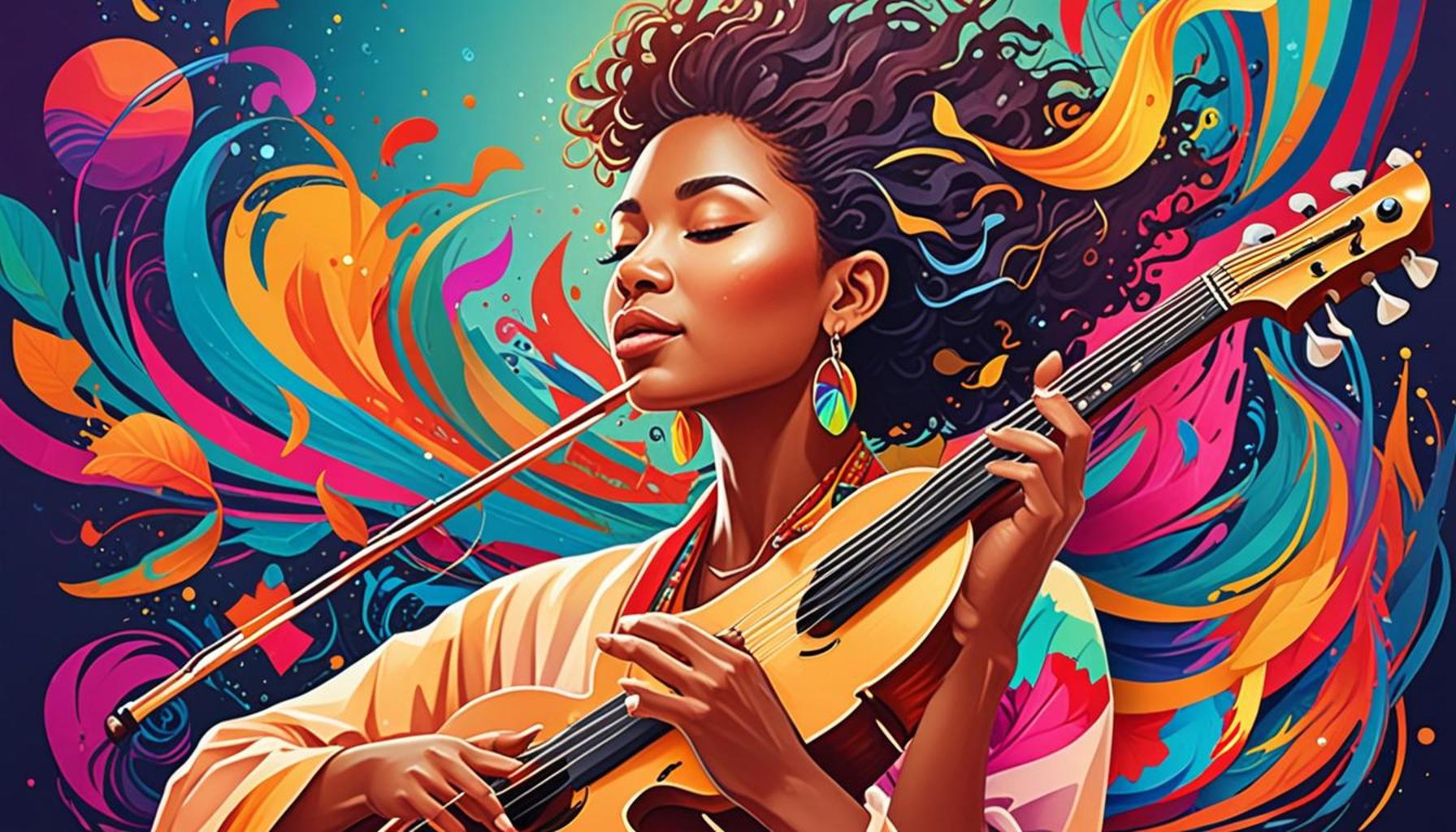
Unveiling the Tapestry of Sound
Music serves as a universal language, transcending barriers and uniting people from diverse backgrounds. Through rhythm and melody, it offers a glimpse into the rich tapestry of human experiences and traditions. Exploring cultural diversity through musical expression allows us to appreciate the unique stories embedded within each note.
The Power of Musical Expression
As we dive into this exploration, consider how various genres reflect cultural narratives:
- Jazz: Originating from African American communities in the early 20th century, jazz is a genre that beautifully blends African rhythms with European harmonies. Artists like Louis Armstrong and Duke Ellington epitomized this fusion and elevated its popularity across the United States and beyond. Jazz serves as a backdrop to the social movements in America, offering a voice for change during turbulent times, and continuing to influence a myriad of genres today.
- Reggae: A pillar of Jamaican culture, reggae music speaks to social issues such as poverty, resistance, and love. Pioneers like Bob Marley and Peter Tosh created songs that resonated with the struggles of their people while also promoting messages of hope and unity. The syncopated rhythms and distinctive sounds of reggae illustrate the rich history and values of Jamaica, from its colonial past to its vibrant contemporary culture.
- Folk Music: Rich in storytelling, folk music showcases regional customs and historical events. American folk music draws heavily from traditions brought to the country by immigrants, weaving together narratives of hardship and resilience. Artists like Woody Guthrie and Joan Baez used their platforms to comment on social justice, transforming personal experiences into anthems that resonate with listeners even today.
Each musical style not only entertains but also educates listeners about the cultural contexts from which they arise. For instance, understanding the historical significance of jazz helps us appreciate its role in the Civil Rights Movement, while reggae invites us to explore Jamaica’s socio-political landscape. This awareness broadens our appreciation of global diversity and enhances our connection to others, fostering a sense of shared humanity.
Invitation to Discover
With every beat, we unravel the narratives of different cultures. Music invites us into a world of emotions, traditions, and beliefs that shape identities. Each genre serves as a gateway to understanding how various communities navigate their realities, celebrating their triumphs and reflecting on their struggles. Join us in this journey as we delve deeper into how music bridges differences and fosters understanding.
By exploring these diverse expressions, we embrace the multifaceted world we inhabit, celebrating the beauty of its variations through song. Whether at a jazz festival, a reggae concert, or a folk music gathering, every musical experience enriches our knowledge and appreciation of the vibrant fabric of human culture, reminding us of our shared stories and illuminating the path toward empathy and connection.
DIVE DEEPER: Click here for inspiring DIY art ideas
Rhythms of Resistance and Resilience
Throughout history, music has often emerged as a means of resistance and resilience, embodying the struggles and aspirations of marginalized communities across the globe. Each note offers a powerful insight into the cultural struggles and triumphs, making it essential to delve into how different genres portray these narratives. By examining various musical styles, we gain profound insights into cultural contexts and social movements, especially in the United States.
The Role of Music in Social Movements
Several musical genres have played pivotal roles in shaping social change, serving as anthems for various movements:
- Hip-Hop: Emerging from the streets of the Bronx in the 1970s, hip-hop not only revolutionized music but also provided a voice for disenfranchised African American communities. Artists like Tupac Shakur and Public Enemy explored themes of inequality, racial injustice, and police violence, paving the way for a generation that would use music as a form of activism.
- Blues: Rooted in African American history, the blues genre emerged from the hardships of plantation life and the Great Migration. Artists like B.B. King and Muddy Waters transcended mere entertainment, narrating stories of heartbreak, poverty, and social injustices. The blues not only laid the groundwork for rock and roll but also reflected the fight for civil rights and personal dignity.
- Punk Rock: The punk rock movement of the 1970s and 1980s emerged as a counter-cultural response to political and social frustrations. Bands like The Clash and the Ramones spoke out against war, inequality, and the establishment, appealing to youth disillusioned with mainstream ideals. This raw expression of discontent resonated across borders, unifying a generation seeking change.
These genres, among others, reinterpret the cultural dialogue, illustrating how music is more than sound; it is a potent vehicle for cultural expression and political activism. The emotive power of music offers a way for communities to process their experiences and share them with the world, shaping public awareness and sparking movements.
Understanding Through Music
As we listen to these vibrant rhythms and poignant lyrics, we must recognize that each genre serves as a historical document, preserving the narratives of those who lived through significant changes. For instance, hip-hop today maintains its relevance by addressing contemporary issues, further emphasizing the ever-evolving relationship between music and culture.
By embracing these eclectic musical styles, we not only celebrate their rich histories but also gain valuable insights into the struggles that different communities continue to face. Through music, we connect with the emotional and social dynamics that define cultural identities and remember that every beat tells a story. In this journey of discovery, we find that understanding cultural diversity through musical expression is essential for fostering empathy and solidarity in our increasingly interconnected world.
| Advantages | Description |
|---|---|
| Fosters Global Understanding | Musical expression serves as a bridge, allowing diverse cultures to share their stories through harmonious melodies. |
| Enhances Emotional Connectivity | Music evokes emotions, allowing individuals to connect on a deeper level and appreciate the nuances of each culture’s experiences. |
| Encourages Preservation of Heritage | Through music, cultural traditions and histories are preserved and passed down, emphasizing the importance of cultural identity. |
| Promotes Social Cohesion | Musical collaboration fosters teamwork and unity among people from different backgrounds, enhancing community ties. |
Exploring cultural diversity through musical expression enriches our understanding of the world. In this interconnected age, music acts as a universal language that transcends geographical boundaries. Each note and rhythm tells a story, revealing the unique experiences of communities worldwide.Immersing in diverse musical traditions not only opens new avenues for emotional resonance but also cultivates empathy among listeners. As cultures share their heritage through sound, they invite appreciation for their unique narratives, fostering respect for their traditions. Whether it’s the vibrant beats of African drums, the intricate melodies of Eastern compositions, or the soulful blues of the American South, each form of music stands as a testament to human creativity and resilience.Furthermore, embracing global musical traditions enhances social connectivity. When individuals collaborate across cultural lines, they create powerful partnerships that celebrate our shared humanity while honoring our differences. This blend not only diversifies the musical scene but also strengthens the fabric of society itself, demonstrating that through music, we can all find common ground.
DISCOVER MORE: Click here to learn creative techniques
The Fusion of Traditions: Cross-Cultural Collaborations
As globalization accelerates, music becomes a powerful tool for cross-cultural collaboration, fostering understanding and appreciation among diverse communities. The merging of musical traditions not only enriches the artist’s work but also serves as a platform for cultural exchange. These fusion genres illustrate how music can transcend borders, appealing to a global audience while retaining unique cultural identities.
World Music: Celebrating Global Sounds
The term “world music” encompasses a wide range of genres that highlight traditional sounds from every corner of the globe. Artists such as Yo-Yo Ma and his Silkroad Ensemble have played a crucial role in bringing together various musical traditions, blending classical Western influences with the rhythms and melodies of Asian, African, and Middle Eastern music. These collaborations challenge listeners to perceive beyond the familiar constraints of their cultural context, promoting a broader appreciation of artistic diversity.
For instance, the song “Baba Yetu,” composed by Christopher Tin for the video game Civilization IV, showcases the Swahili language, combining orchestral arrangements with traditional African rhythms. Its global recognition, winning a Grammy Award for Best Instrumental Arrangement Accompanying Vocal(s), exemplifies how musical expression can unify diverse audiences while celebrating different cultures.
The Influence of Hip-Hop Around the Globe
Interestingly, hip-hop’s influence has spread far beyond the United States, manifesting in unique forms worldwide. Countries like Brazil, France, and South Africa have embraced the genre, adapting it to reflect their cultural narratives and local struggles. For instance, Brazilian hip-hop artists like Criolo merge traditional samba with rap, creating a unique sound that addresses socio-economic issues faced by Brazilian communities. This blending highlights not only cultural diversity but also the resilience of communities shaped by their historical contexts.
French artist Kery James, known for his thought-provoking lyrics, uses hip-hop to explore themes such as identity, social inequality, and immigration. His tracks resonate with a diverse audience, illustrating how hip-hop serves as a universal language, bridging cultural gaps and uniting voices across the globe.
The Resurgence of Folk Traditions
In recent years, there has been a resurgence of interest in folk traditions from around the world, exemplified by artists who draw inspiration from their cultural heritage while infusing modern influences. Groups like the War on Drugs and The Dead & Company blend rock music with traditional folk melodies, creating a sound that honors the past while appealing to contemporary audiences. This fusion creates a cultural tapestry that resonates deeply with listeners, illustrating how music can be both a personal expression and a collective narrative.
Moreover, events like the International Folk Festival in the United States emphasize the importance of cultural diversity through music. By gathering international artists, these festivals serve as a platform for showcasing traditional arts, fostering connections between various communities, and encouraging intercultural dialogue. These gatherings allow attendees to experience the richness of world music firsthand, reinforcing the idea that artistic expression is a universal language capable of bridging cultural divides.
As we explore these vibrant collaborations and the rich contexts behind them, we uncover that each musical encounter is an opportunity for education and empathy. The stories woven through blended sounds invite listeners to engage with the world around them in a more profound way, underscoring the beauty of cultural diversity through musical expression. Each rhythmic heartbeat echoes the timeless spirit of humanity, urging us to celebrate our differences while recognizing our shared yearning for connection and understanding.
DIVE DEEPER: Click here for innovative ideas
Conclusion: The Harmonious Tapestry of Cultural Diversity
In conclusion, exploring cultural diversity through musical expression reveals the profound ways in which sound unites us. As we have seen, the fusion of various musical traditions not only celebrates individual identities but also amplifies shared human experiences. The collaborative spirit of artists across continents fosters a dialogue that transcends language barriers and leads to a deeper understanding of diverse cultures.
Furthermore, the genre-spanning nature of world music and the global reach of hip-hop exemplify how music continues to evolve and adapt, allowing for unique narratives to emerge from distinct backgrounds. These rich expressions not only highlight cultural resilience but also nurture a sense of belonging among communities that may have previously felt isolated. The resurgence of folk traditions aligns with this sentiment, reminding us of the power of storytelling in preserving cultural heritage while appealing to modern ears.
As we engage with music from around the world, whether through international festivals, fusion projects, or local performances, we cultivate empathy and appreciation for our differences. Each note, rhythm, and lyric invites us to step into another person’s shoes, enriching our own lives in the process. By embracing these musical explorations, we can continue to champion cultural diversity, fostering an interconnected world where diverse voices contribute to a vibrant tapestry of human expression.
Ultimately, as listeners and participants, we each hold the power to contribute to this ongoing journey. Let us remain curious, open-minded, and committed to discovering the myriad ways in which musical expression celebrates our shared humanity, reminding us that through every beat, we are united in our quest for connection and understanding.
Related posts:
The Influence of Music on Personal Identity Formation
The Influence of Music on the Expression of Human Vulnerability
How Musical Improvisation Can Enhance Creativity
The Emotional Benefits of Learning a Musical Instrument
Turn Recycled Materials into Art Sustainable DIY Project Ideas
Music and Mental Health: The Impact of Musical Expression on Well-Being

Linda Carter is a writer and creative hobbies expert specializing in crafting, DIY projects, and artistic exploration. With extensive experience helping individuals discover their creative potential and bring their ideas to life, Linda shares her knowledge on our platform. Her goal is to empower readers with practical tips, inspiring ideas, and step-by-step strategies for success in the world of creative hobbies.