The Influence of Music on the Expression of Human Vulnerability
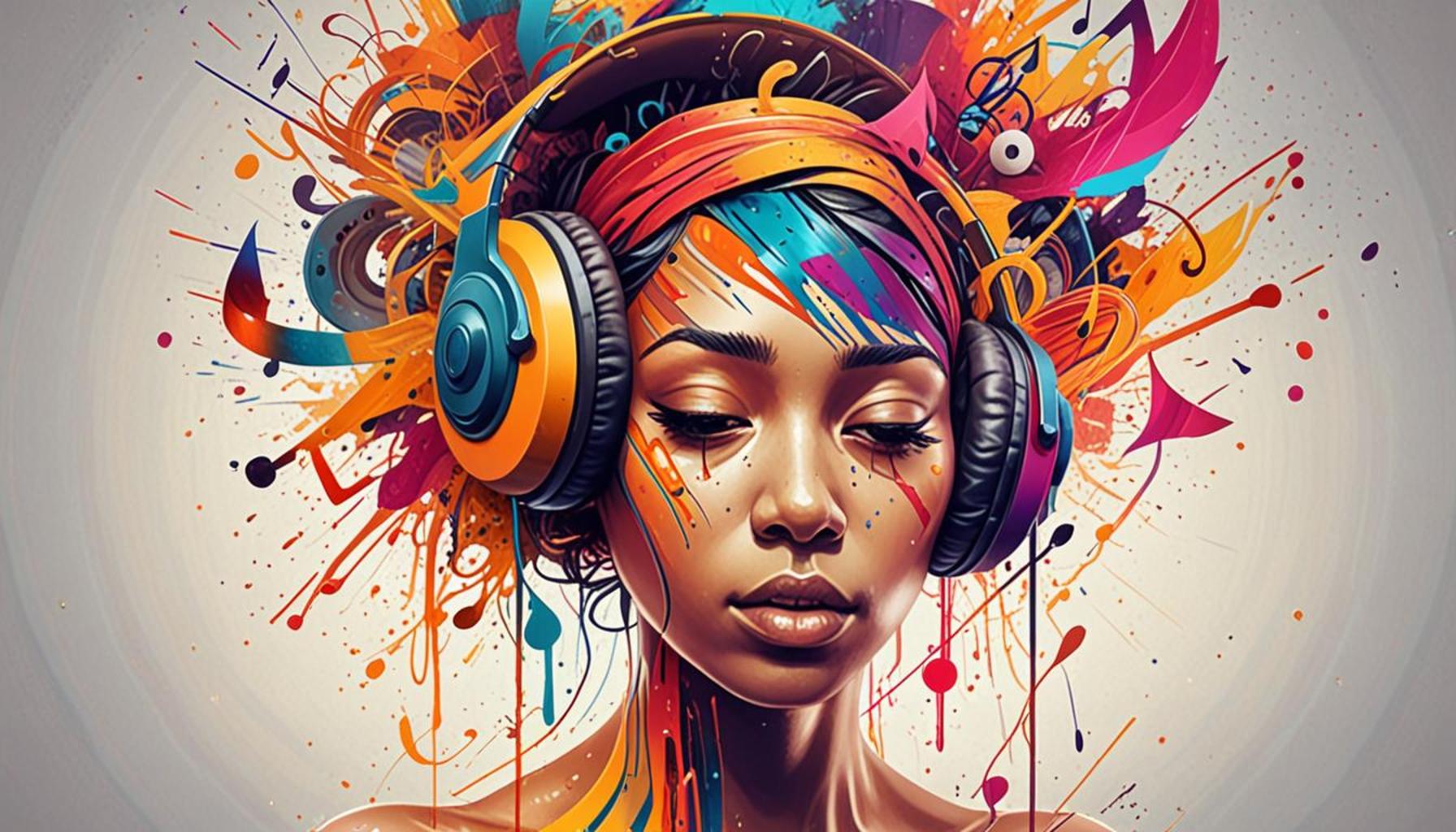
The Emotional Landscape of Music
Music has an incredible ability to evoke emotions and connect deeply with the human experience. It serves as a powerful medium through which individuals express their vulnerability and navigate their most intimate feelings. The nuances of sound play a crucial role in shaping how we articulate our fears, joys, and uncertainties. This phenomenon can be observed across various genres and cultures, highlighting music’s universal appeal.
- Emotional Resonance: Melodies channel the complexities of human emotions, allowing listeners to find solace in shared experiences. For instance, the poignant notes of a slow piano ballad can evoke feelings of nostalgia or heartbreak, providing an emotional release. Listeners often resonate with these melodies during moments of personal turmoil, seeking refuge in the music that reflects their inner landscape.
- Personal Narratives: Artists use lyrics to convey stories of struggle, leading to a sense of camaraderie among those facing similar challenges. The raw storytelling found in genres like blues and country enables artists like Johnny Cash and B.B. King to articulate personal battles, creating a bridge between them and their audience. These narratives can transform an artist’s individual experience into a collective anthem, echoing the sentiment of many.
- Healing Power: Music therapy is increasingly recognized as a valuable tool for healing, aiding individuals in processing their emotional vulnerabilities. Research shows that listening to or creating music can reduce stress and anxiety, improving mental health. For example, hospitals across the U.S. have incorporated music therapy into their treatment protocols, helping patients cope with pain and emotional distress.
In American culture, genres such as blues, country, and hip-hop exemplify how music communicates profound human hardship and resilience. Blues music, originating in the Deep South, encapsulates feelings of despair and loss while simultaneously celebrating perseverance. Similarly, hip-hop artists like Kendrick Lamar and J. Cole articulate social issues and personal struggles through their compelling lyrics, promoting awareness and empathy among listeners.
This exploration of how music influences the expression of human vulnerability opens a rich dialogue about the underlying connections between sound and emotion. Music is not just an art form; it is a reflection of society, a conduit for healing, and a cherished channel of self-expression. As we continue to delve into this topic, we will uncover layers of insight that reveal how deeply intertwined our emotional lives are with the rhythms and melodies that surround us.
DIVE DEEPER: Click here to get inspired with eco-friendly DIY projects
Melody and Meaning: The Power of Lyrics
The lyrics of a song often serve as a vessel for the expression of human vulnerability, encapsulating emotions that many may struggle to articulate. Through the artful combination of words and melody, songwriters create narratives that resonate on a personal level. Genres such as folk and alternative rock have produced some of the most poignant examples of lyrics that touch on themes of loneliness, anxiety, and existential dread. Artists like Fiona Apple and Radiohead have gained acclaim for their ability to weave intricate tales of personal turmoil and societal pressures into their music.
Consider how a song like Apple’s “Every Single Night” captures the anxiety of daily life with its haunting melody and confessional lyrics. The song highlights the deep-seated fears and vulnerabilities that many individuals face, making it a relatable anthem for listeners navigating their own challenges. This connection between artist and audience exemplifies the therapeutic aspect of music, where shared experiences become a form of communal healing.
- The Role of Genre: Different music genres have their own unique ways of addressing vulnerability:
- Blues: Often rooted in personal pain, blues music allows artists to convey their hardships through improvisation and emotional expression.
- Hip-hop: This genre frequently addresses social injustices, personal struggles, and resilience, offering listeners a powerful platform to confront their own vulnerabilities.
- Indie Pop: Commonly featuring introspective lyrics, indie pop artists often explore themes of identity and self-doubt, inviting listeners to reflect on their own emotional landscapes.
- Collective Experiences: Songs can encapsulate societal issues that evoke collective feelings of vulnerability. Ballads about lost love, societal expectations, or mental health challenges can resonate widely, transforming individual pain into collective empathy.
Music’s impact on the expression of vulnerability extends beyond the lyrics themselves; the accompanying instrumentation plays a critical role in the emotional journey of the listener. The choice of instrument, tempo, and harmony can elevate the poignancy of a song, creating an immersive experience that speaks directly to the listener’s heart. For example, a delicate acoustic guitar may convey fragility, while a soaring orchestral arrangement can evoke a sense of hope amidst despair. As listeners absorb the sonic layers created by the artist, they often find themselves reflecting on their own vulnerabilities in a profound manner.
In this light, music emerges as a dynamic form of expression that captures the essence of human experience. Whether it’s through heartbreak, social commentary, or introspection, music fosters a dialogue around vulnerability that encourages not just personal reflection but also collective understanding. As we continue to explore this theme, we will look closely at how music therapy and community engagement enhance this connection, emphasizing the transformative power of sound as a means of navigating vulnerability.
| Aspect | Details |
|---|---|
| Emotional Release | Music can serve as a powerful tool for individuals to express feelings of vulnerability, helping them process emotions such as sadness, loneliness, or grief. |
| Human Connection | Through shared musical experiences, people can foster connections, creating a space for dialogue about vulnerability, thereby reducing the stigma associated with emotional openness. |
| Therapeutic Benefits | Music therapy utilizes music to address emotional needs, offering pathways for individuals to explore and articulate their vulnerabilities. |
| Cultural Reflection | Music often reflects cultural attitudes towards vulnerability, showcasing how different societies cope with emotional struggles through artistic expression. |
The profound influence of music on human vulnerability opens up discussions about the varying ways individuals relate to their emotions. Different genres and artists resonate with listeners at different levels, highlighting personal experiences and feelings. This dynamic interplay encourages individuals to confront their vulnerabilities, leading to a deeper understanding of themselves and those around them. Through this exploration, music not only becomes a mirror to our internal struggles but also a compass guiding us towards healing and connection.
DISCOVER MORE: Click here to explore innovative DIY projects
Soundscapes and Emotional Depth: The Role of Instrumentation
Beyond the lyrical content, the instrumentation of a song plays a vital role in amplifying the emotional landscape that underscores human vulnerability. Each instrument adds layers of complexity and nuance, shaping the listener’s response to the music. For instance, a mournful piano progression often evokes feelings of nostalgia or sorrow, as seen in tracks like “The Night We Met” by Lord Huron. This song encapsulates a sense of longing, where the piano weaves a soundscape that mirrors the depths of heartbreak, inviting listeners to confront their own feelings of loss.
The use of strings can also significantly enhance emotional expression. The eerie sound of a solo violin can create a state of tension or melancholy, as exemplified in Max Richter‘s “On the Nature of Daylight.” The arrangement builds a poignant atmosphere, allowing listeners to explore their own apprehensions and vulnerabilities as the music ebbs and flows. These sonic choices create a multi-dimensional experience that often transcends spoken language, conveying feelings that are universal yet deeply personal.
- Rhythm and Tempo: The tempo of a piece can influence emotional responsiveness. Slower tempos often encourage introspection, while faster beats may ignite feelings of anxiety or urgency. For example, the frenetic energy of punk rock often reflects themes of struggle and frustration, serving as an outlet for young listeners grappling with their own vulnerabilities.
- Production Techniques: Producers can manipulate sounds in ways that amplify emotional depth. Techniques such as reverb and echo can create a sense of space that mirrors feelings of isolation, making tracks like Sufjan Stevens’ “Casimir Pulaski Day” resonate with an overwhelming sense of melancholy and introspection.
The psychology behind music’s impact on vulnerabilities delves into how sound waves interact with our brain. Research indicates that music can trigger the release of dopamine, a neurotransmitter associated with pleasure and emotional responses. This biochemical reaction is not limited to uplifting tunes; somber melodies can also bring about catharsis, allowing listeners to navigate their pain in a safe environment. A pivotal example is the rise of emo music in the early 2000s, where bands like My Chemical Romance articulated feelings of despair and hopelessness, resonating with a generation seeking validation of their struggles.
Additionally, music’s power lies in its cultural significance. Certain genres have become synonymous with specific movements or societal issues, fostering a collective consciousness around shared vulnerabilities. The power of protest music in the 1960s, with artists like Bob Dylan and Joan Baez, illustrated how music could articulate the collective angst of an entire generation confronting the realities of war and civil rights. This creates a dialogue through which individuals can not only voice their vulnerabilities but also find solidarity with others experiencing similar challenges.
In both personal and collective contexts, the intricate relationship between instrumentation and emotional expression reveals the profound effect music can have on understanding and articulating vulnerability. As we continue to unravel this theme, it is essential to explore the implications of music therapy, which harnesses these elements to foster healing and recovery in various group settings.
DISCOVER MORE: Click here to enhance your fabric art
Conclusion: Embracing Vulnerability Through Music
In summary, the intricate relationship between music and the expression of human vulnerability reveals powerful truths about our emotional landscape. Through the careful selection of instrumentation, lyrics, and production techniques, artists create soundscapes that resonate deeply within the human experience. Whether it’s the mournful strains of a piano or the dynamic energy of a punk anthem, music transcends mere entertainment to become a profound vehicle for sharing our innermost feelings.
The psychological underpinnings of music further illustrate its unique ability to evoke emotional responses, allowing individuals to confront their vulnerabilities in a safe space. This cathartic experience is not only pivotal for personal healing but also serves as a catalyst for societal engagement. Genres like emo or protest music foster a collective understanding of shared struggles, creating a sense of community among listeners who find solace in the relatability of their experiences.
As we continue to explore the influence of music in our lives, it becomes clear that its role extends beyond entertainment; it champions vulnerability, opens dialogues, and promotes healing. Through music, we can embrace our vulnerabilities while also forging connections with others. The next time a song resonates with your emotional state, take a moment to reflect on its power to articulate feelings that words alone may fail to express.
By further investigating the intersections of music and emotional expression, we can continue to unlock the therapeutic potential of sound, ultimately enriching our understanding of the human condition.
Related posts:
How Musical Improvisation Can Enhance Creativity
The Influence of Music on Emotional Expression: How to Create Songs that Reflect Personal Feelings
The Importance of Music in Children's Emotional Education
Exploring Cultural Diversity Through Musical Expression
Music as a Form of Protest and Social Change
The Connection Between Music and Memory: How Music Evokes Memories

Linda Carter is a writer and creative hobbies expert specializing in crafting, DIY projects, and artistic exploration. With extensive experience helping individuals discover their creative potential and bring their ideas to life, Linda shares her knowledge on our platform. Her goal is to empower readers with practical tips, inspiring ideas, and step-by-step strategies for success in the world of creative hobbies.