The Role of Musical Genres in the Construction of Personal Narratives
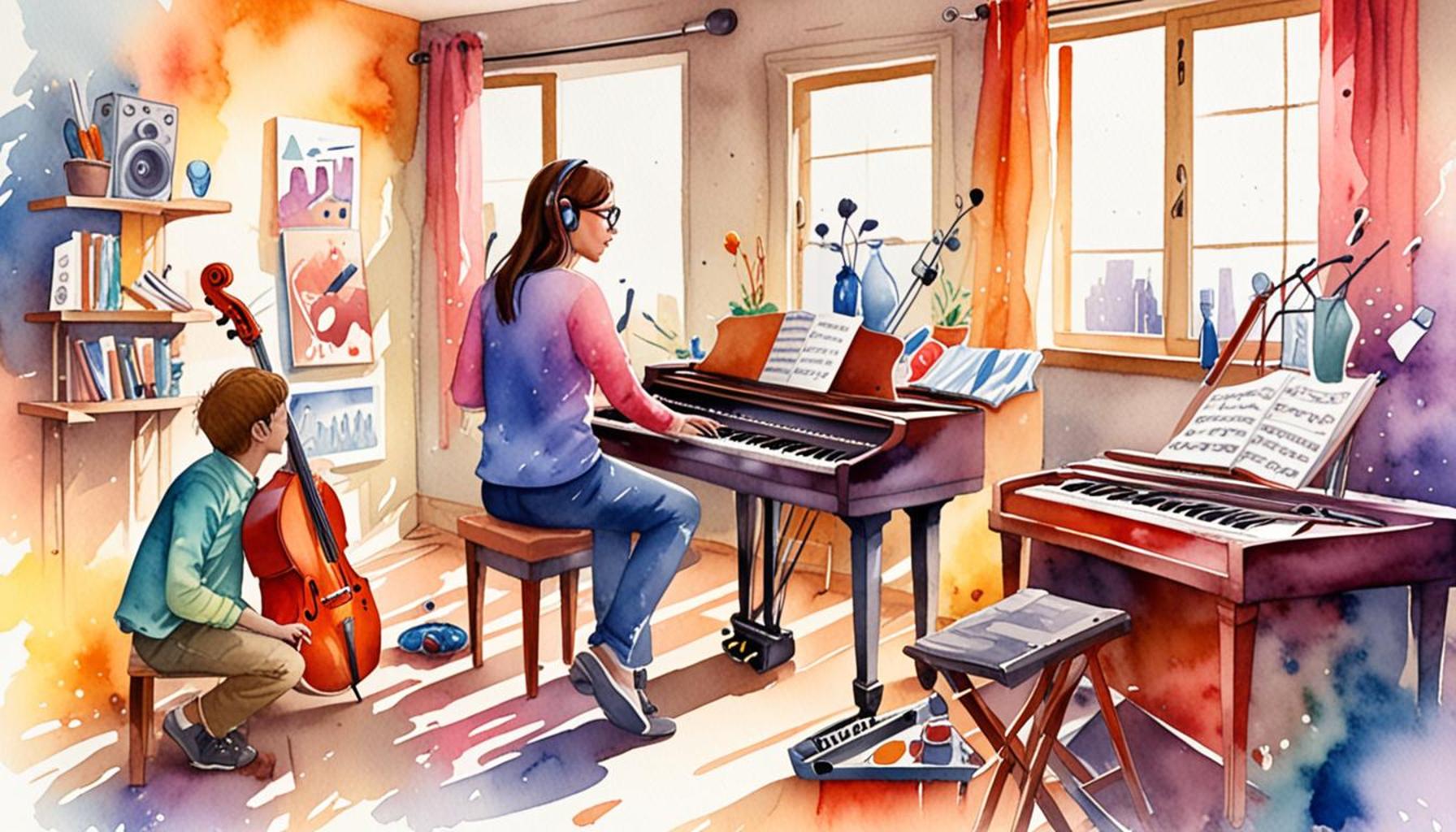
Exploring the Fusion of Music and Identity
Music is a powerful language that transcends barriers and speaks directly to the heart. Its genres not only define style but also shape our personal narratives in profound ways. Whether it’s the rebellious chords of punk rock or the soulful melodies of country, each genre carries its own stories that resonate with our experiences and cultural backgrounds. Music acts as both a mirror and a catalyst, reflecting who we are while simultaneously shaping our perspectives and identities.
- Emotional Resonance: Different genres evoke diverse emotional responses. For instance, the raw energy of heavy metal may signify rebellion for one listener, while for another, the gentle strains of folk music could represent nostalgia and peace.
- Cultural Identity: Genres often tie into cultural backgrounds, influencing our personal story. An individual raised in a Hispanic household may find deep connections with mariachi or salsa music, which speaks to their heritage and familial traditions.
- Life Experiences: Music mirrors our life’s ups and downs, reflecting our journey. The anthems of adolescence—be it the heartbreak ballads or triumphant tracks—become part of the tapestry through which one understands their own life events.
In the United States, musical genres like hip-hop, blues, and pop have not only entertained but also informed societal movements. Hip-hop, for example, emerged from the struggles of marginalized communities and has evolved into a platform for expressing empowerment, identity, and social justice. Artists like Kendrick Lamar and Cardi B have used their music to voice systemic injustices, inspiring listeners to confront social issues actively.
Similarly, genres like blues, which originated in the African American communities of the Deep South, weave tales of hardship and resilience, illustrating both personal and collective narratives of suffering and hope. These forms of expression encapsulate struggles, celebrations, and the everyday realities of their listeners, providing a soundtrack to their lives. Investigating how these genres construct individual narratives opens up a world of understanding about our identities.
Personal Narratives through Music
Consider how a single genre can serve different aspects of our lives. For example:
- Hip-Hop: Often associated with empowerment and social justice, it provides narratives that challenge societal norms. Tracks like “Alright” by Kendrick Lamar have become anthems for movements such as Black Lives Matter, encapsulating a collective yearning for change.
- Rock: Known for themes of rebellion and self-discovery, artists such as Bruce Springsteen and Joan Jett have created music that resonates with the fight for individual rights and self-expression. Their anthems often reflect the struggles of youth and the quest for authenticity.
- Country: Frequently tells stories of love, loss, and rural life, connecting listeners to familiar themes of home and heartache. Artists like Dolly Parton and Johnny Cash have crafted songs that delve deep into the human experience, illustrating the stories of everyday Americans.
This article delves into the intricate relationship between musical genres and the crafting of personal narratives, inviting readers to explore how melodies and rhythms contribute to a deeper understanding of self. As we continue to navigate our identities through the vast landscape of music, we uncover the ways in which sound not only entertains but also profoundly shapes who we are and how we perceive the world around us.
DISCOVER MORE: Click here to dive into creative upcycling
The Soundtrack of Our Lives: How Genres Shape Identity
Musical genres serve as more than just auditory experiences; they are vital components in the construction of our personal narratives. Each genre encapsulates particular themes, emotions, and cultural contexts, making them powerful tools for self-expression and reflection. This relationship between music and identity is not merely coincidental; rather, it is etched deeply into the fabric of our lived experiences.
One of the most significant ways genres impact our identities is through their ability to evoke emotional resonance. Research shows that music archaeologically excavates memories, allowing listeners to revisit pivotal moments in their lives through the lens of sound. For instance, consider the way a nostalgic pop ballad can bring forth memories of a first love, or how a rap anthem might encapsulate the trials and tribulations of growing up in a challenging environment. This emotional connection offers a remarkable ability to shape our narratives, allowing us to identify our experiences with the themes presented in the songs we cherish.
Moreover, musical genres intricately weave into our cultural identity. When individuals immerse themselves in genres reflective of their cultural backgrounds, they create a personal tapestry informed by tradition and heritage. For example, bluegrass music in Appalachia speaks to a rich history of community, resilience, and storytelling. The melodies and lyrics preserve unique narratives that not only connect individuals to their roots but also validate their experiences as part of a larger collective history. Genres like hip-hop, which emerged from the streets of urban America, carry the weight of social commentary and personal stories that enrich the identity of its listeners, promoting a sense of belonging amidst diversity.
Genres as Mirrors and Molds
Musical genres act as both mirrors reflecting our current state and molds shaping our anticipated futures. Here are several ways genres find their way into personal narratives:
- Blues: Born from the African American experience, the blues genre provides a profound narrative of struggle and triumph. Its themes often address pain, resilience, and deep emotional release, resonating with listeners who see their own life challenges mirrored in these stories.
- Jazz: Known for its improvisational nature, jazz encourages individuality and self-expression. It serves as a soundtrack for those navigating their own complexities, highlighting the unique yet universal experiences of joy and sorrow.
- Punk Rock: With its roots in rebellion, punk rock resonates particularly with youths seeking to challenge conformity. The raw, energetic sound encapsulates a yearning for change and identity exploration, often becoming a rallying point for personal transformation.
As listeners navigate through the numerous genres enveloping their lives, they often find a rare sense of understanding and acceptance. Artists weave their own narratives into their music, filling the gaps between individual and collective experiences, prompting listeners to reflect on their own stories. Thus, it is evident that the role of musical genres in cultivating personal narratives is vital—not just as an accompaniment to life but as a core component of identity formation and self-discovery.
The Impact of Musical Genres on Identity Formation
Musical genres serve not just as entertainment but as profound influences on personal identity. Genres like hip-hop, country, and classical music resonate with specific cultural backgrounds and experiences, shaping how individuals perceive themselves and their narratives. The distinctive sounds and lyrics found in these genres express a variety of emotions and themes, which can inspire listeners to explore their own life stories.
Hip-Hop: A Voice for the Marginalized
Hip-hop, for instance, often addresses themes of struggle, perseverance, and social justice, reflecting the realities of many who feel unheard. This genre can help individuals articulate their experiences in a relatable manner, leading to a sense of community and belonging. By engaging with hip-hop, listeners can connect with others who share similar narrative threads, thereby enriching their personal stories with communal experiences.
Country Music: Storytelling at Its Finest
Conversely, country music skillfully delves into tales of love, loss, and everyday life. Its storytelling nature enables individuals to identify with the singer’s journey and embed these lessons into their own lives. The vivid storytelling within country songs often fosters a shared cultural identity, where listeners can reflect on their journeys through relatable lyrics that resonate on a deeper level.
Overall, understanding the influence of musical genres can unlock a deeper appreciation of how these sounds weaved into the narratives we construct, encouraging further exploration into how music interacts with personal identity construction.
| Musical Genre | Impact on Personal Narrative |
|---|---|
| Hip-Hop | Empowers marginalized voices and promotes social justice themes. |
| Country | Offers relatable storytelling that captures love, loss, and everyday life. |
As we delve deeper into the role of these genres, it becomes evident that they not only entertain but also invite listeners to reflect on their life narratives, revealing the intricate relationship between music and personal storytelling.
DIVE DEEPER: Click here to ignite your creativity</p
The Transformative Power of Music: Crafting Personal Stories
The profound impact of musical genres extends beyond mere emotional resonance and cultural identity; they also serve as conduits for transformation and empowerment. As individuals engage with specific genres, they can undergo significant shifts in perspective, facilitating a re-evaluation of their own life narratives. Music often acts as both an anchor and a catalyst for change—a powerful tool that embodies the spirit of resilience and reinvention.
Genres such as country music embody this transformative aspect, resonating deeply with themes of heartbreak, recovery, and personal growth. Many country songs narrate tales of loss and redemption that are relatable to countless listeners experiencing similar struggles. The storytelling essence of this genre, coupled with its rich melodic structures, allows individuals to forge connections between the lyrical content and their own journeys. For instance, the works of artists like Carrie Underwood and Chris Stapleton often present accounts of overcoming adversity, encouraging listeners to see their struggles through a lens of hope and perseverance.
Intersection of Genre and Personal Growth
Exploring how genres intersect with personal development, another notable example is found in the realm of electronic dance music (EDM). This genre, which has garnered immense popularity, often emphasizes themes of unity, freedom, and the euphoria of the present moment. Raves and music festivals, the hallmarks of the EDM scene, create communal spaces that foster a sense of belonging. For many, these experiences catalyze a newfound appreciation for life, sparking personal transformations that redefine their narratives. Artists such as Calvin Harris and David Guetta craft tracks that not only prompt listeners to dance but also invite them to explore their identities in an inclusive and liberating atmosphere.
Further examination reveals that genres can provide essential frameworks for articulating one’s mental health struggles and emotional battles. For instance, the rise of emo music has offered a voice to those who often feel marginalized in their experiences. Bands like My Chemical Romance and Paramore depict raw emotions associated with anxiety, depression, and longing through their lyrics. This representation validates the listeners’ feelings and enables them to confront their own vulnerabilities. The genre’s powerful, confessional style encourages a dialogue about mental health, helping individuals weave their challenges into their personal narratives.
- Reggae: Rooted in resistance and social justice, reggae music communicates messages of hope, community, and resilience against oppression. Artists like Bob Marley have become symbols of peace, inspiring movements that resonate with listeners striving for justice and equality.
- Indie Pop: Often celebrated for its individuality and creativity, indie pop creates a space for self-exploration. Its blend of introspective lyrics and eclectic sounds empowers listeners to embrace their quirks and reflect on their unique stories.
- Heavy Metal: For many, heavy metal serves as an outlet for catharsis. The genre’s aggressive sound often reflects feelings of anger and frustration, permitting fans to channel their emotions in a constructive manner while fostering a sense of belonging within subcultures.
These genres celebrate diverse narratives while inspiring individuals to reflect on their own experiences. By aligning with specific musical styles, listeners construct personal narratives enriched with the profound impact of those sounds. The emotional and cultural landscapes in which these genres thrive shape the stories we tell about ourselves, revealing the intricate, dynamic relationship between music and personal identity.
DISCOVER MORE: Click here to dive into DIY decoration ideas
Conclusion: The Soundtrack of Our Lives
In summary, the role of musical genres in shaping personal narratives is an intricate tapestry woven from emotional expression, cultural identity, and transformative experiences. As we journey through life, music not only serves as a backdrop but also actively participates in the storytelling of our individual paths. By engaging with various genres, from the introspective lyrics of emo to the uplifting beats of EDM, individuals can navigate their struggles and triumphs, creating a richer understanding of who they are.
Moreover, the powerful messages within country, reggae, and heavy metal reveal the ways in which music can be a vehicle for resilience and renewal, enabling listeners to confront their realities and emerge stronger. Music compels us to evaluate our lived experiences and to articulate emotions often left unspoken. The mere act of identifying with a particular genre can facilitate profound personal development and enhance our connection to ourselves and others.
As we continue to explore the intersection of musical genres and personal narratives, it becomes increasingly crucial to recognize the potential of music as a powerful tool for self-discovery and healing. It not only shapes how we see ourselves but also fosters a deeper connection to the world around us. As we listen, dance, and sing along, let us celebrate the diverse musical spectrum that enriches our lives and paves the way for future narratives waiting to unfold.
Related posts:
The Importance of Music in Children's Emotional Education
Music as a Form of Protest and Social Change
The Connection Between Music and Memory: How Music Evokes Memories
The Influence of Music on the Expression of Human Vulnerability
How Abstract Art Influences Personal Expression and Well-being
Exploring Musical Improvisation as a Form of Creative Freedom and Self-Expression

Linda Carter is a writer and creative hobbies expert specializing in crafting, DIY projects, and artistic exploration. With extensive experience helping individuals discover their creative potential and bring their ideas to life, Linda shares her knowledge on our platform. Her goal is to empower readers with practical tips, inspiring ideas, and step-by-step strategies for success in the world of creative hobbies.