Exploring Augmented Reality in Crafting: Innovative Projects that Blend Digital and Physical Worlds
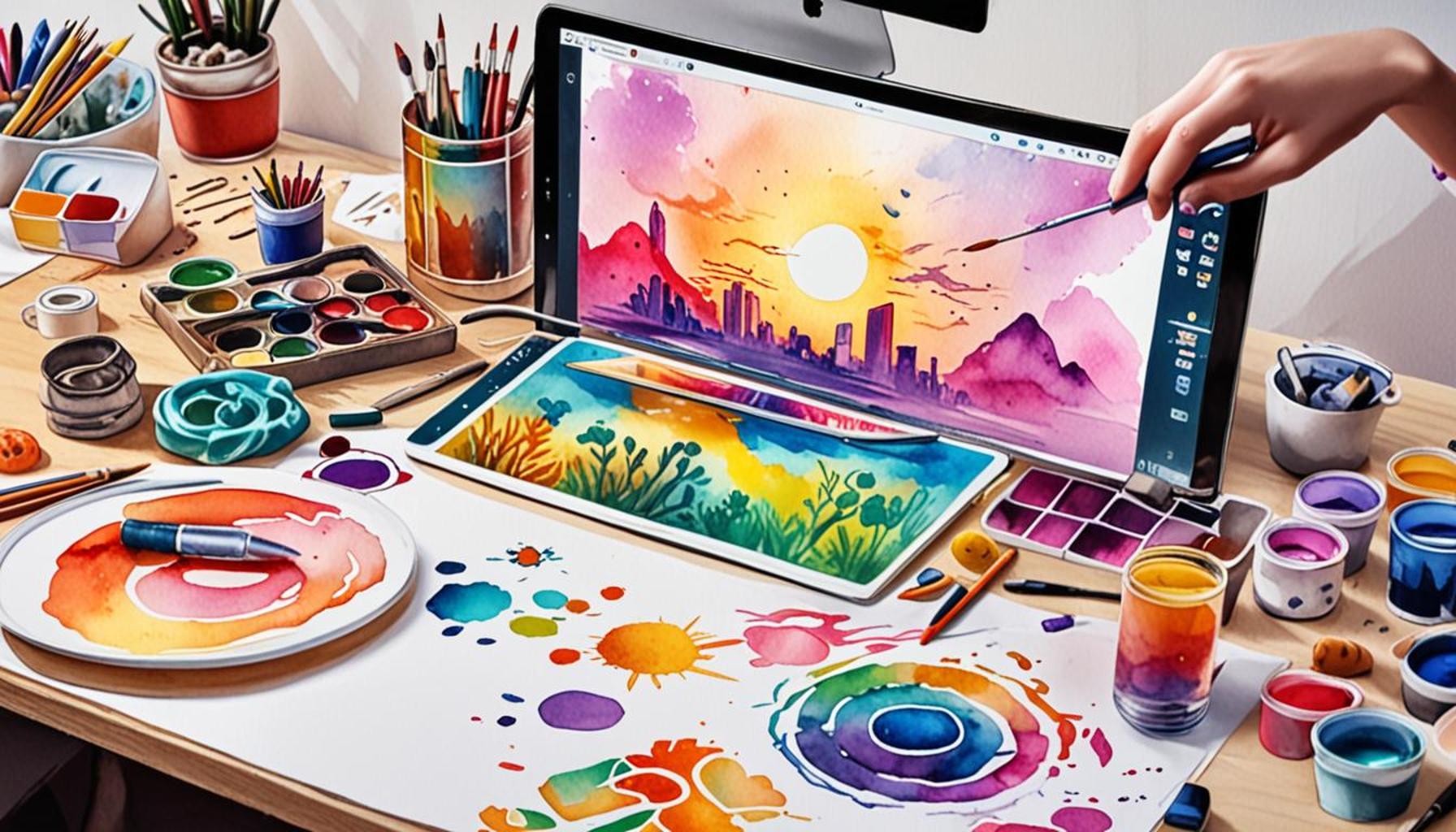
Exploring the Impact of Augmented Reality in Crafting
As technology continues to evolve, augmented reality (AR) is making waves in the crafting community. This innovative tool bridges the gap between the digital and physical realms, opening doors to new creative possibilities. Crafting, which has traditionally relied on physical materials and hands-on techniques, is being revolutionized by augmented reality as it introduces a new layer of interactivity and functionality to the creative process.
Imagine blending the tactile experience of crafting with immersive digital overlays. The ways in which AR enhances crafting are numerous, with some key applications highlighted below:
- Interactive Tutorials: One of the most transformative aspects of AR is the ability to offer step-by-step guides that provide real-time feedback. Whether you’re knitting a scarf or assembling a model airplane, AR can ensure precision and accuracy in each step of your project. For example, an AR application might overlay arrows to guide your needlework or provide visual metrics for cutting wood, making complex techniques more manageable for all skill levels.
- Virtual Demonstrations: Imagine watching a master artisan demonstrate a particular technique right on your crafting workspace, without needing any physical tools. With AR, users can witness the intricacies of pottery making or watercolor techniques as if the artist were standing beside them. This capability not only enhances learning but also allows crafters to practice alongside a virtual mentor at their own pace, making it accessible for enthusiasts across different regions of the United States.
- Design Visualization: Augmented reality allows crafters to visualize their finished projects before committing materials. Picture a scrapbooker who can digitally experiment with layout designs and embellishments on their images—altering colors and rearranging elements on a screen before physically gluing anything down. This feature saves both time and resources, allowing for experimentation without costly mistakes.
As AR technology gains traction, crafting enthusiasts across the United States are increasingly embracing this digital wave. From professional artists to weekend hobbyists, the allure lies in this unique blend of creativity and innovation. Events such as AR craft fairs and pop-up workshops are sprouting across major cities, demonstrating hands-on how crafters can combine traditional skills with high-tech tools.
This burgeoning trend invites you to dive into a world where creativity is not just about what you can touch but also about what you can imagine. Keep an eye out for fascinating projects that showcase the intersection of craftsmanship and augmented reality. Discover how this synergy not only transforms the crafting landscape but also empowers individuals to express their artistry in previously unimagined ways.
DISCOVER MORE: Click here to dive deeper
Reinventing Crafting with Augmented Reality
The integration of augmented reality (AR) into the crafting world is more than just a trend; it represents a significant cultural shift in how we create and engage with art. By blending tactile methods with digital enhancements, AR gives crafters unprecedented opportunities to explore their creativity. As more tools and applications emerge, the AR crafting landscape is expanding, inviting artists and hobbyists alike to explore innovative projects that challenge traditional boundaries.
At the heart of this movement are various innovative applications designed to enhance the crafting experience. Here are key AR-driven projects making waves in the community:
- Augmented Painting: Artists can use AR apps to visualize their artwork in real-time. For example, a painter can see how colors interact and create 3D depth on their canvas before applying any paint. This process introduces an experimental phase that can lead to richer and more vibrant compositions.
- 3D-Printed Models: Some crafters are utilizing AR alongside 3D printing technology to create models of their designs. By overlaying digital models onto physical objects, creators can evaluate size, proportion, and design elements. This enables rapid prototyping while minimizing material waste, making the process more sustainable.
- Interactive Quilting: For quilters, AR can transform the traditional quilt-making process by allowing artisans to mix and match patterns and colors digitally before cutting any fabric. This advancement ensures that every quilt is unique and tailored to the crafter’s vision, minimizing errors and maximizing creativity.
- Garden Crafting: AR technology is now venturing into the gardening realm. Gardeners can use AR apps to visualize how different plants will grow together in their spaces, assessing light conditions and spacing. This not only enhances the visual aesthetics of the garden but also promotes healthier plant growth.
As AR continues to weave itself into various crafting disciplines, it’s creating a community of innovators eager to share their experiences and skills. Workshops and collaborations focusing on AR techniques are popping up, with many local craft stores in cities like New York and San Francisco offering classes where crafters can learn to utilize these technologies hands-on.
Moreover, the incorporation of AR into crafting is not merely a technological enhancement; it encourages a deeper connection with the creative process. As users customize their projects, they can document and share their journey through social media platforms, further encouraging collaboration and community engagement among crafters. This sense of shared experience, coupled with the thrill of new possibilities, underscores the impact of augmented reality in the crafting space.
As we continue to explore these fascinating developments, it is clear that augmented reality is set to not only redefine how we craft but also how we perceive the art form itself. This exciting intersection of digital and physical worlds offers endless opportunities for personalized expression and innovative creation.
Innovative Project Ideas in Augmented Reality Crafting
As the intersection of digital technology and hands-on creativity expands, augmented reality (AR) emerges as a powerful tool for crafting enthusiasts. One of the key advantages of incorporating AR into crafting projects is the ability to visualize and design in a completely new dimension. Imagine overlaying digital designs onto real-world objects, allowing artisans to see how patterns or colors will look before making permanent changes.
1. Interactive Instructional Guides
AR can transform traditional instructional content into engaging visual experiences. By utilizing AR applications, crafters can access interactive step-by-step tutorials that appear directly on their crafting surfaces. This allows for enhanced learning and better retention of crafting techniques, making the crafting process more accessible to newcomers while allowing seasoned crafters to refine their skills.
2. Personalized Crafting Experiences
Incorporating AR into crafting enables personalized experiences that cater to individual tastes. Crafters can create customizable templates that adjust in real-time based on user input, visually demonstrating how various designs or materials would look together. This tailor-made approach not only fosters creativity but also enhances the emotional connection between the crafter and their project.
3. Collaborative Crafting
Augmented reality facilitates collaborative crafting opportunities across geographic boundaries. Crafters can connect through AR platforms to share ideas, co-design projects, or engage in virtual crafting sessions. This fosters a sense of community and collaboration, opening doors to new creative influences and techniques. Such interactions can lead to innovative outcomes and the expansion of crafting horizons.
4. Eco-Friendly Crafting Practices
AR can also promote sustainability in crafting by encouraging the use of virtual materials before purchasing physical supplies. By allowing users to experiment with different digital resources, crafters can make more informed choices about materials and techniques, ultimately reducing waste. This approach highlights the potential of AR to support eco-conscious crafting movements while still unleashing creativity.
5. Enhancing Craft Markets
For artisans looking to sell their crafts, AR can revolutionize the marketing landscape. By using AR applications, potential buyers can visualize products in their own homes, gaining an authentic sense of how items will integrate into their environments. This immersive experience can ultimately increase buyer confidence and drive sales. As AR technology continues to evolve, its integration into crafting will undoubtedly open even more innovative avenues for creators. From enhancing learning to revolutionizing the marketplace, the future of crafting in the digital age is brightly illuminated.
| Category | Advantages |
|---|---|
| Interactive Guides | Engaging visual tutorials improve learning. |
| Personalization | Customizable templates enhance creativity. |
| Collaboration | Connect with others for shared crafting experiences. |
| Sustainability | Try digital materials to reduce waste. |
| Market Enhancement | AR helps buyers visualize products in their space. |
DISCOVER MORE: Click here to dive deeper
Unlocking New Realms: AR Innovations in Crafting
The rise of augmented reality in crafting is not only revolutionizing established practices but also opening up a myriad of opportunities for new forms of artistic expression. In recent years, collaborative projects that bridge the gap between digital and physical craftsmanship have gained traction, demonstrating the potential of AR to facilitate teamwork and community engagement.
One significant trend is the use of augmented reality in community art projects. Various organizations are leveraging AR to inspire collaboration among artists, trunk show enthusiasts, and local artisans. For instance, projects like Artivive allow artists to overlay animations and digital content onto their physical artwork, giving viewers an immersive experience as they interact with the art. This combination of digital storytelling and traditional art not only entertains but educates audiences about the process and significance behind the pieces.
Moreover, AR is transforming education in crafting disciplines. Educational programs are increasingly integrating augmented reality into their curricula, enabling students to visualize complex concepts and techniques. For example, institutions have developed AR manuals that allow students to follow sculpting techniques step-by-step through interactive 3D models viewed via their smartphones or tablets. This hands-on approach enhances learning and makes intricate arts more accessible, fostering a new generation of makers.
In the realm of textile design, AR is also making strides. Designers can now create digital fabric swatches and use AR applications to simulate how fabrics would look when worn or used in various environments. Such innovations allow for better design decisions and experimentation, offering a platform to create bespoke textiles that cater directly to consumer preferences. With the rise of sustainable fashion, this means eliminating waste by reducing fabric samples and minimizing the carbon footprint.
Another captivating advancement is the incorporation of AR into DIY crafting kits. Companies are now offering kits that come with smartphone applications, allowing crafters to see step-by-step instructions as virtual overlays on the materials provided. This integration not only simplifies the crafting process but also makes it more engaging for users of all ages. Families can enjoy crafting sessions while children learn critical skills and techniques through guided AR experiences, creating lasting memories and cherished keepsakes.
As the technology continues to evolve, one of the most exciting developments is the potential for AR-enhanced storytelling in crafting. Crafters can embed personal narratives or historical context into their projects through AR. By creating digital layers that viewers can access via smartphones, artists can share their inspirations and insights, offering a richer understanding of the crafted piece. For example, a maker’s mark on handcrafted pottery could link directly to a video explaining the cultural significance of the design.
The impact of augmented reality on the craft community extends beyond project execution; it nurtures a culture of sharing and collaboration. Social media platforms are buzzing with creators showcasing their AR-enhanced projects, leading to a sense of collective growth and inspiration across the globe. This newfound accessibility and interconnectedness are redefining the future of crafting, ensuring that innovation and creativity continue to thrive.
EXPLORE MORE: Click here to discover innovative DIY projects
Conclusion: The Future of Crafting Through Augmented Reality
As we delve deeper into the transformative world of augmented reality in crafting, it is clear that this innovative technology is reshaping how artists, makers, and educators approach creativity. From inspiring community art projects to enhancing educational tools, AR is facilitating rich collaboration and making the arts more accessible than ever before.
The burgeoning integration of augmented reality in textile design and DIY crafting kits illustrates an exciting shift towards customization and sustainability in crafting practices. By enabling designers to visualize their creations and providing users with interactive instructions, AR is bridging the gap between imagination and reality, ultimately leading to more engaging and environmentally conscious crafting experiences. The possibilities for AR-enhanced storytelling allow for a more profound connection between the artist and audience, embedding narratives that enrich each crafted piece with personal or cultural significance.
As crafting communities continue to embrace this technology, we stand at the brink of a new era where the digital and physical worlds meld seamlessly, fostering a culture of innovation and creativity. The future of crafting is no longer confined to traditional methodologies; it is an expansive landscape bursting with potential, where shared ideas flourish in hybrid forms. It beckons creators to explore, experiment, and elevate their art in ways previously unimaginable.
To truly harness the creative forces of augmented reality, crafters, educators, and enthusiasts alike must remain engaged with emerging trends and technologies. In doing so, they not only contribute to the vibrant tapestry of crafting culture but also inspire future generations to innovate, engage, and imagine within this ever-evolving space.
Related posts:
Exploring Sustainable Art Projects: Creating Beauty from Recycled Materials
Digital Art Therapy: Innovative Projects Combining Creativity and Mental Health Benefits
Exploring the Art of Upcycled Fashion: Innovative Projects for Sustainable Style
Exploring the Intersection of DIY and Digital: How Online Platforms are Inspiring Innovative Craft P...
The Power of Music Boosting Emotional Expression and Well-Being
Crafting with Purpose: Innovative Community Projects that Promote Social Change through Creative Hob...

Linda Carter is a writer and creative hobbies expert specializing in crafting, DIY projects, and artistic exploration. With extensive experience helping individuals discover their creative potential and bring their ideas to life, Linda shares her knowledge on our platform. Her goal is to empower readers with practical tips, inspiring ideas, and step-by-step strategies for success in the world of creative hobbies.