Digital Art Therapy: Innovative Projects Combining Creativity and Mental Health Benefits
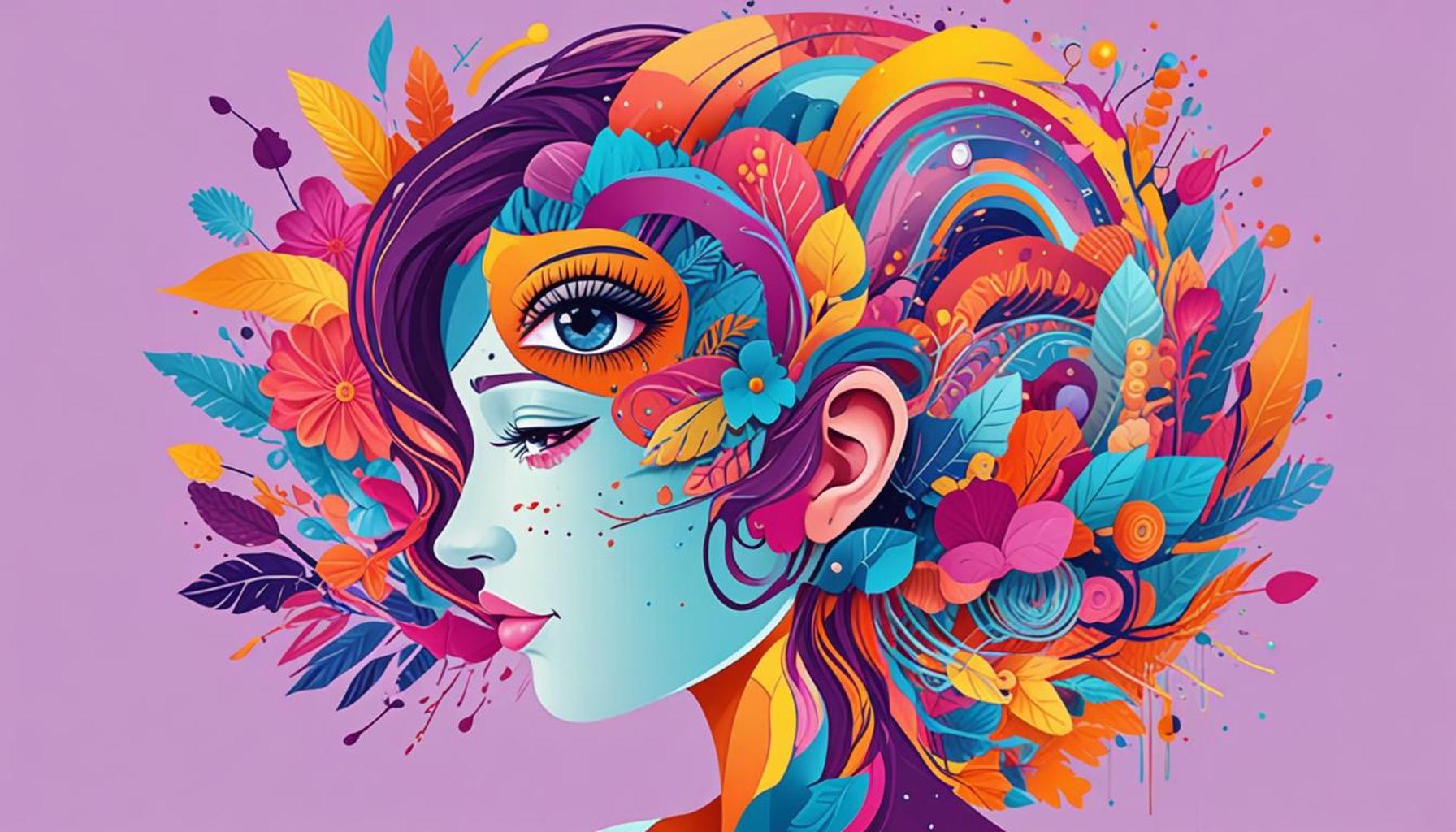
The Therapeutic Power of Digital Art in Mental Health
In recent years, the intersection of technology and mental health has garnered significant attention, with digital art therapy emerging as a groundbreaking approach designed to enhance emotional well-being. By leveraging digital mediums, this innovative form of therapy provides individuals with a novel outlet for creative expression while simultaneously offering therapeutic benefits.
Digital art therapy encompasses a variety of engaging formats, allowing for diverse modes of interaction and creativity. For example, virtual reality art experiences enable users to immerse themselves in fully interactive environments where they can create and manipulate art in three-dimensional space. Such experiences can be particularly transformative for individuals who may struggle with traditional forms of artistic expression due to physical or emotional limitations.
Another prominent method involves mobile applications for guided art creation. These apps often include step-by-step prompts and tutorials tailored to assist users in exploring different styles and techniques. By facilitating structured creativity, they serve as both a creative outlet and a tool for emotional exploration. Popular platforms, such as Procreate and Adobe Fresco, allow users to experiment with digital painting, drawing, and even animation, encouraging exploration and innovative thinking.
Moreover, online art workshops and community platforms have emerged, offering supportive environments where individuals can share their creative processes and artworks. These platforms foster a sense of belonging, as participants can connect with others facing similar mental health challenges, thereby cultivating a community of shared experiences and support.
The therapeutic advantages of these digital tools are significant. Research has shown that engaging in creative activities can effectively reduce anxiety and depression. This occurs as individuals explore their feelings through visual expression, allowing for a nonverbal exploration of complex emotions. Furthermore, digital art can aid in enhancing emotional regulation, equipping individuals with the skills to process and articulate their feelings more effectively. Over time, such practices can lead to improved overall mental resilience, helping individuals to navigate life’s challenges with greater ease.
As the demand for mental health resources in the United States grows, the adoption of digital art therapy in educational institutions, rehabilitation centers, and private practices is on the rise. These forms of therapy are not only more accessible but also leverage the familiarity of technology to engage a younger demographic, bridging the gap between traditional therapy methods and modern needs.
By integrating creativity into mental health strategies, we are not merely changing therapeutic practices; we are also cultivating a vibrant community of individuals expressing themselves through digital art. This fascinating blend of technology and creativity invites a deeper understanding of the human experience, encouraging those struggling with mental health issues to explore personal narratives through artistic expression. With continual advancements in technology and growing recognition of the benefits of creative outlets, the allure of digital art therapy is set to expand, ushering in a new era of holistic healing.
DON’T MISS: Click here to discover amazing upcycling ideas!
Exploring Digital Art Therapy Techniques
As we delve deeper into the realm of digital art therapy, it becomes evident that a variety of techniques are being utilized to maximize the creative experience while addressing mental health concerns. These evolving methods not only encourage artistic expression but also serve as essential therapeutic tools that cater to various demographics. As the technology expands, so do the opportunities for individuals to explore their inner worlds through innovative artistic avenues.
One major approach making waves in the digital art therapy scene is the use of art-based video games. These games are specifically designed to prompt creativity while guiding players through emotionally charged narratives. By engaging with interactive storylines, players can confront their own feelings, leading to greater self-awareness and insight. Examples like “Journey” and “Gris” invite participants to experience art in new forms, emphasizing emotional connectivity while creating stunning visuals.
Interactive Online Platforms
Another groundbreaking aspect of digital art therapy is the rise of interactive online platforms that blend social connection with artistic endeavors. Platforms such as ArtSteps and Sketchbook allow users to create and share digital art in real-time, breaking down geographical barriers and fostering global partnerships. Here are some key benefits of these interactive platforms:
- Community Engagement: Users can collaborate on art projects, share ideas, and provide feedback, cultivating a sense of belonging.
- Real-Time Support: Participants can access live workshops, led by experienced art therapists and artists, offering immediate guidance and feedback.
- Flexible Participation: Individuals can join sessions from the comfort of their homes, encouraging those who might be hesitant to engage in traditional therapeutic settings.
Furthermore, virtual art galleries are becoming essential in showcasing the work created through digital art therapy. These galleries provide a platform for artists—many of whom may struggle with mental health issues—to share their creations publicly. This exposure not only empowers the artists but also invites discourse on the therapeutic value of art, breaking down stigmas associated with mental health challenges.
Integration in Clinical Settings
Understanding how digital art therapy can be integrated into clinical settings is vital for mental health practitioners. Many therapists are now incorporating these techniques into their practices, recognizing the value of marrying traditional therapeutic approaches with digital tools. By doing so, they expand the therapeutic toolbox available to clients. Digital art therapy is being used in contexts such as:
- Counseling Sessions: Therapists utilize digital drawing software to help clients visualize thoughts and feelings during sessions.
- Workshops in Rehabilitation Centers: Programs specifically designed to aid recovery through creativity.
- Schools: Educational programs aim to alleviate anxiety and build resilience among students through art-based initiatives.
Recognizing the ongoing research into the effectiveness of digital art therapy, there is a growing need to explore how these practices can be adapted and tailored to various populations, ensuring that more individuals can benefit from this innovative blend of creativity and mental health support.
| Category | Description |
|---|---|
| Creativity Enhancement | Utilizes art as a medium to stimulate creativity, allowing individuals to express complex emotions. |
| Mental Wellness | Promotes holistic mental health by reducing anxiety and stress through creative self-expression. |
| Community Building | Encourages group projects that foster connections among participants, enhancing social interaction. |
| Skill Development | Helps refine artistic skills and encourages personal growth through constructive feedback in sessions. |
Digital Art Therapy is revolutionizing the way we perceive mental health care and creativity. Innovative projects are emerging that converge these two vital areas, promising intriguing benefits for individuals seeking emotional and psychological support. By utilizing art as a powerful form of expression, participants can channel their feelings and experiences, promoting deep emotional release and healing. The integration of creativity into mental wellness initiatives not only cultivates personal insights but has also shown a measurable reduction in symptoms of anxiety and depression.Moreover, these unique projects foster community interactions, allowing participants to connect, share, and learn from one another. With the emphasis on collaboration and feedback, individuals not only improve their artistic abilities but also engage in personal and social development. As art therapy continues to expand, it will undoubtedly capture the attention of more mental health practitioners, leading to an increased exploration of its benefits. Explore more about how traditional therapeutic practices are transforming through this dynamic lens.
DISCOVER MORE: Click here for innovative DIY projects
Real-World Applications of Digital Art Therapy
The integration of digital art therapy into various sectors highlights its multifaceted capabilities and impact. Increasingly, healthcare providers, educators, and community organizations are embracing this innovative approach to foster creative expression and facilitate healing through the arts. By harnessing technology, practitioners are presenting new possibilities for creative outlets and support mechanisms across diverse populations.
Digital Art in Mental Health Facilities
In mental health facilities, the use of digital art therapy has shown tremendous promise. Programs leveraging tablets and interactive software allow patients to easily express their thoughts and emotions through art without the need for traditional materials. For instance, institutions like the World Health Organization have recognized the potential of digital mediums in aiding patients with severe conditions, such as schizophrenia and major depressive disorders. Studies indicate that patients who engaged in digital art therapy experienced reduced symptoms and increased emotional resilience.
- Accessibility: Users, including individuals with motor skill limitations, can access art tools that ease the creative process through touch screens and adaptive devices.
- Increased Engagement: Digital platforms often capture the attention of younger clients, making therapy feel less intimidating and more relevant to their digital lives.
- Real-Time Reflection: The ability to create art instantaneously allows patients to visualize their emotional states, providing immediate context during therapy sessions.
Art Therapy for Trauma Recovery
Trauma recovery is yet another area where digital art therapy steps in as a crucial intervention. Virtual reality (VR) platforms are being employed in trauma-informed care designs, allowing clients to immerse themselves in soothing environments while engaging in creative tasks. By safely exploring their feelings and fears, individuals can process and address past trauma without the pressure of traditional therapy settings.
Organizations like The Trauma Institute have begun to incorporate VR and digital art elements, specifically targeting survivors of abuse and PTSD. With guided art sessions using programs that blend drawing, sculpting, and 3D design, this innovative therapeutic method encourages healthy coping mechanisms and emotional expression.
Educational Programs Incorporating Digital Art Therapy
Educational institutions across the United States are also reaping the benefits of digital art therapy. Schools are implementing programs that integrate creativity with mental health awareness, teaching students to use digital tools to express their feelings and cope with stress. For example, art education initiatives in urban communities focus on utilizing technology to empower students to articulate their experiences and navigate challenges.
- Curriculum Enhancement: Art classes focusing on digital media production allow students to explore their creativity while addressing personal and societal issues.
- Community Outreach: Collaborations with local artists and therapists help foster engaging environments that promote emotional well-being.
- Early Intervention: By introducing art therapy techniques in schools, future mental health issues can be identified and addressed proactively.
The continuous rise of digital art therapy underscores its essential role in advancing mental health care and support systems. As more organizations recognize its benefits, this innovative therapy is shaping the future of how individuals relate to their mental well-being through creative expression, signaling a transformative step in the journey toward healing. The transformative nature of this therapy encourages individuals to uncover their creative potential and realize the healing power embedded within art.
DIVE DEEPER: Click here to expand your creative horizons</
Conclusion: The Transformative Power of Digital Art Therapy
The intersection of digital art therapy and mental health care uniquely positions creative practices as vital tools for emotional resilience and healing. As demonstrated through various applications—ranging from mental health facilities to educational settings—this innovative approach not only thrives on accessibility and engagement but also offers transformative solutions for those facing trauma, anxiety, and other mental health challenges. The integration of technology facilitates new forms of expression, allowing individuals to visualize emotions and experiences in real-time, a significant advantage over traditional methods.
Moreover, digital platforms such as virtual reality create immersive environments that foster emotional exploration while ensuring safety. This approach has proven vital in trauma recovery, providing clients with the opportunity to process their experiences without the conventional constraints of typical therapeutic settings. As schools incorporate digital art therapy programs, they nurture a culture of creativity that equips students with essential coping skills, highlighting the importance of early intervention.
Looking ahead, the continuous evolution of digital art therapy presents exciting prospects for innovation and integration into mainstream mental health care. By fostering partnerships between artists, therapists, and tech developers, society can expand access to these invaluable resources, ultimately reshaping how individuals engage with mental well-being. As we explore the broader implications of creative therapy, it becomes essential for stakeholders to invest in research and development, promoting policy changes that prioritize mental health initiatives. Embracing this transformative medium could signify a new dawn in therapy, redefining the relationship between art and healing.
Related posts:
The Art of Digital Storytelling: Innovative Projects Merging Literature and Multimedia
Exploring the Intersection of DIY and Digital: How Online Platforms are Inspiring Innovative Craft P...
Collaborative Creative Hobbies: Building Community Through Innovative Group Projects
Art Meets Science: Innovative Creative Hobbies That Combine Artistry with Scientific Principles
Exploring Augmented Reality in Crafting: Innovative Projects that Blend Digital and Physical Worlds
Technology and Creativity: How to Use 3D Printers in Artistic Hobbies
Linda Carter is a writer and creative hobbies expert specializing in crafting, DIY projects, and artistic exploration. With extensive experience helping individuals discover their creative potential and bring their ideas to life, Linda shares her knowledge on our platform. Her goal is to empower readers with practical tips, inspiring ideas, and step-by-step strategies for success in the world of creative hobbies.