The Maker Movement: How 3D Printing is Revolutionizing Creative Hobbies
The Technological Renaissance in Creative Hobbies
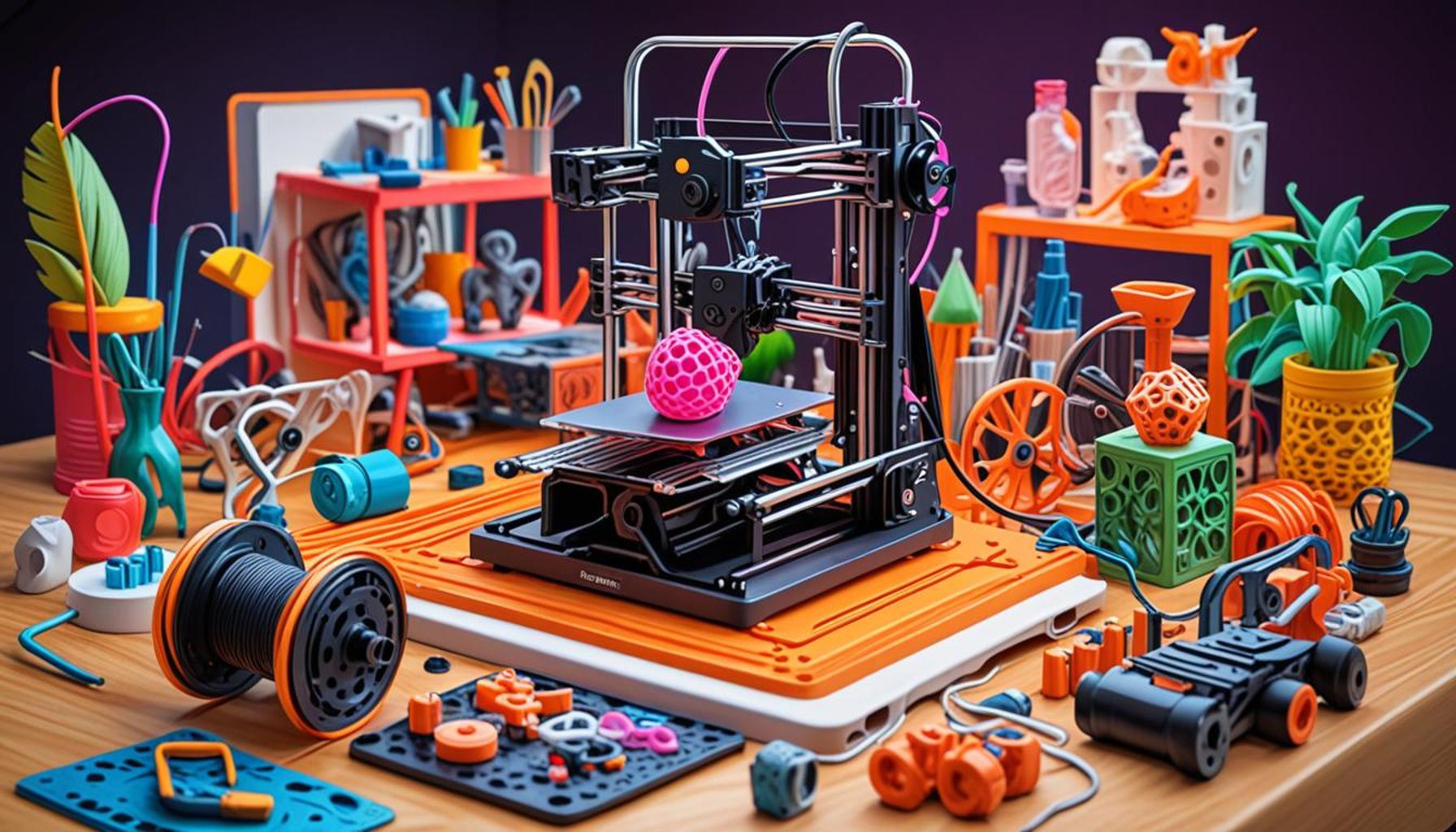
The landscape of creative hobbies is undergoing a profound transformation. At the heart of this revolution is 3D printing, a technology that empowers individuals to turn their ideas into reality with astonishing ease. As part of the larger Maker Movement, this innovation invites enthusiasts, artists, and creators to explore uncharted territories while resulting in a vibrant community of creators who are equipped with tools previously reserved for large-scale industries.
Consider the possibilities that 3D printing brings to everyday hobbies:
- Custom Models: Whether it’s crafting detailed miniatures for tabletop games like Dungeons & Dragons or creating personalized gifts such as custom jewelry or unique home decor items, the capability to produce these one-of-a-kind pieces is boundless. For instance, a game enthusiast can design and print their character figurines, ensuring that their gaming experience is both unique and tailored to their narrative vision.
- Prototyping: Inventors and designers find limitless potential as they can quickly validate their concepts. The iterative design process becomes incredibly accessible; for example, a budding entrepreneur might create multiple iterations of a product prototype—be it a new kind of kitchen gadget or an ergonomic phone case—without the financial burden typically associated with manufacturing. With a 3D printer, a concept can go from sketch to tangible product in a remarkably short time frame, enabling fast feedback and refinement.
- Community Engagement: With makerspaces blossoming across the U.S.—from New York to San Francisco—these communal workshops provide access to advanced tools and resources, allowing individuals to not only create but also share their skills. Workshops, classes, and collaborative projects in these spaces foster community engagement, networking possibilities, and knowledge exchange. For example, at the TechShop in San Francisco, members can learn everything from woodworking to electronics, often culminating in projects that combine various disciplines.
This surge of creativity is not just limited to traditional arts or crafts. The intersection of technology and skill is reshaping how people engage in hobbies. Besides 3D printing, technologies like virtual reality and laser cutting are also enhancing creative expression. The convergence of these tools allows creators to transcend boundaries and redefine artistic expression. This evolution not only paves the way for innovation but also raises critical questions about the future of manufacturing, art, and community engagement.
As we continue to explore these channels, it becomes apparent that 3D printing is not merely a tool; it has emerged as a catalyst for innovation, collaboration, and self-expression within the Maker Movement. As amateur creators and seasoned artists alike harness this technology, they are ultimately redefining what it means to be a creator in today’s rapidly changing landscape.
DISCOVER MORE: Click here to unleash your creativity
Transforming Ideas into Tangible Creations
The advent of 3D printing has revolutionized the way individuals approach their creative hobbies. This technology has democratized creation, breaking down barriers that once separated hobbyists from professional makers. With 3D printers now accessible to the everyday consumer, anyone can transform ideas into physical objects, igniting a passion for creativity that was previously limited to those with specialized skills or significant resources.
One striking example lies in the area of model building and crafting. Hobbyists can now design intricate pieces with software like Tinkercad or Fusion 360, tailoring every detail to their liking. This newfound ability to produce custom models fosters a high degree of personalization, whether for architectural models, cosplay outfits, or even bespoke gifts that evoke heartfelt memories. Consider the parent creating a customized toy for their child; not only is this product unique, but it also carries emotional significance that mass-produced alternatives cannot offer.
Limitless Experimentation and Learning
Another compelling aspect of the Maker Movement is the opportunity for experimentation and learning. 3D printing serves as an educational tool, allowing users to explore engineering and design principles without the fear of costly mistakes. The iterative nature of this process encourages creators to take risks, develop prototypes, and embrace failure as part of their learning journey. Educational institutions are increasingly recognizing this value; for example, many schools now incorporate 3D printing into STEM curricula, cultivating the next generation of inventors and thinkers.
This shift is not merely a trend limited to students and professionals; it permeates everyday life. Enthusiasts from various walks of life—be it hobbyist car builders, DIY home decorators, or enthusiastic gardeners—are utilizing 3D printing to enhance their projects. The accessibility of online resources, including design templates and user forums, empowers individuals to collaborate and share their creations. As creators continue to learn from one another, the Maker Movement thrives, aided by a culture of openness and sharing.
- Enhancing Practical Solutions: Individuals are also using 3D printing for practical solutions at home. This includes creating organizers, custom brackets, or even tools tailored to their specific needs. The ability to print what one requires fosters a sense of independence and innovation.
- Artistic Expression: Artists are harnessing 3D printing to challenge traditional forms of artistic expression. Sculptures once confined to the realm of imagination can now come to life, allowing artists to explore new dimensions and materials.
In essence, 3D printing has redefined creative hobbies, offering a unique platform where experimentation meets expression. As more individuals seize this technology, they unlock new avenues for creativity and connection within the Maker Movement. The impact of 3D printing extends beyond personal fulfillment; it shapes a community that values innovation and collaboration in unprecedented ways.
The Maker Movement: Embracing Innovation with 3D Printing
As the Maker Movement gains momentum, 3D printing emerges as a significant catalyst in transforming traditional creative hobbies. This technology enables enthusiasts to conceptualize and materialize their ideas, breaking down barriers that once restricted artistic expression. With the introduction of user-friendly 3D printers, individuals from various backgrounds can engage in the creation of unique, custom items without the need for extensive technical expertise or investment.One of the primary advantages of 3D printing in creative hobbies is the enhanced customization it offers. Makers can design highly personalized products that reflect their style and preferences. Whether it is jewelry, home decor, or even replacement parts for household items, the possibilities are endless. This capability empowers individuals to express their creativity more freely, fostering an environment where imagination knows no bounds.Moreover, the community aspect of the Maker Movement is strengthened by 3D printing. Enthusiasts often share designs and tips on online platforms, creating a collaborative atmosphere where knowledge flows freely. This communal sharing accelerates learning and innovation, allowing makers to refine their skills and push the limits of their creativity. Workshops and maker spaces provide avenues for individuals to gather, experiment, and inspire each other, weaving a fabric of connection among hobbyists that transcends geographical limitations.With 3D printing, the democratization of technology becomes evident. Advancements in affordable printers and open-source software make it possible for nearly anyone to enter the world of making. This accessibility not only promotes creativity but also nurtures entrepreneurial opportunities. Individuals can now transform their hobby into a business by selling unique 3D printed creations online. As the Maker Movement continues to evolve, the integration of 3D printing into creative hobbies signals a profound shift in how we perceive art, design, and craftsmanship.
| Advantage | Description |
|---|---|
| Customization | 3D printing allows makers to create personalized and unique items tailored to individual preferences. |
| Community Engagement | The Maker Movement fosters collaboration among enthusiasts to share ideas, designs, and techniques. |
DISCOVER MORE: Click here to dive into the world of 3D printing in art
Unlocking Community Collaboration
As the Maker Movement continues to gain momentum, one of its most compelling aspects is the emphasis on community collaboration and shared knowledge. Local makerspaces and fabrication labs have emerged in cities across the United States, becoming central hubs for individuals eager to explore the world of 3D printing together. These spaces not only provide access to expensive machinery but also foster a culture where novices can learn from seasoned experts. The results often lead to innovative projects that reflect a wider range of ideas and talents than any one individual could produce alone.
For instance, community workshops often host events where participants collaborate on designs, leading to creations that combine various skills and artistic perspectives. This collaborative spirit can be seen in projects such as creating tools or equipment for local non-profit organizations, illustrating the power of collective efforts. Events like Maker Faires also play a crucial role in this collaboration, bringing together makers from all walks of life to showcase their work, exchange ideas, and inspire one another. These gatherings not only celebrate creativity but also encourage public engagement, allowing aspiring makers to witness firsthand the possibilities offered by 3D printing technology.
Redefining Customization and Sustainability
Beyond community interaction, 3D printing is redefining what it means to customize and create sustainably. As consumers grow increasingly aware of the environmental impact of mass production, many are turning toward 3D printing for low-waste and eco-friendly alternatives. Hobbyists can utilize biodegradable filaments made from materials such as PLA (polylactic acid), offering a sustainable choice for their creations. This shift to greener practices resonates strongly with environmentally conscious makers, making 3D printing not just a tool for creativity, but also a conduit for promoting sustainability.
Moreover, the ability to produce items on demand eliminates the need for excessive inventory, reducing overproduction and waste associated with traditional manufacturing. For example, aspiring entrepreneurs are launching small businesses that focus on 3D-printed home goods, accessories, and even parts for machinery—crafting bespoke items that cater directly to consumer needs without the pitfalls of conventional stockpiling.
- Health and Safety Innovations: The medical field is also seeing significant benefits from the integration of 3D printing into creative endeavors. From custom prosthetics to surgical models, hobbyists and professionals alike are pushing boundaries to develop personalized health solutions, often at a fraction of the cost compared to traditional methods.
- Educational Toys for All Ages: Parents are increasingly utilizing 3D printing to create educational toys that are not only fun but tailored to their children’s unique learning needs. Designing engaging, interactive toys at home enables personalized learning experiences that traditional toys often lack.
The reach of 3D printing within the Maker Movement showcases the alignment between creativity, community, and sustainability. As individuals from diverse backgrounds unite to explore the potential of this technology, they not only expand their own creative horizons but also contribute to a more innovative and interconnected society. This dynamic environment is shaping hobbies in unprecedented ways, making 3D printing a vital player in the ongoing revolution of how we create and engage with the world around us.
DISCOVER: Click here to learn how abstract art can enhance your well-being
Embracing the Future of Creativity
In conclusion, the Maker Movement and the rise of 3D printing represent a profound shift in how individuals engage with their creative hobbies. By harnessing cutting-edge technology and collaborative community efforts, makers are able to push the boundaries of innovation and reimagine what creativity looks like in the 21st century. The ability to craft unique items tailored to personal needs, coupled with the imperative of sustainable practices, positions 3D printing not just as a trend, but as a transformative force in the world of DIY.
As we witness burgeoning makerspaces and enthusiastic community workshops, it is clear that this movement is not merely about creating tangible products; it is a celebration of collective effort, knowledge exchange, and environmental responsibility. The integration of 3D printing in various domains—from personalized medical solutions to educational tools—demonstrates its vast potential and adaptability. Furthermore, as more people engage with this technology, we can anticipate an increase in innovative ideas that challenge the norms of traditional crafting methods.
The Maker Movement is invigorating creative hobbies by promoting an ethos of open collaboration, sustainability, and innovation, inviting everyone to join in on the exploration of their creative capabilities. This journey encourages exploration, adaptation, and the redefinition of what it means to be a creator in a rapidly changing world. As we look to the future, one thing is certain: the impact of 3D printing on the realm of creative hobbies is just beginning, ushering in an era where imagination knows no bounds.
Related posts:
Art Meets Science: Innovative Creative Hobbies That Combine Artistry with Scientific Principles
The Power of Music Boosting Emotional Expression and Well-Being
Collaborative Creative Hobbies: Building Community Through Innovative Group Projects
Unlocking Creativity: Innovative Upcycling Projects for Home Decor
Sustainable Creative Hobbies: Innovative Projects Using Recycled Materials
Exploring Sustainable Art Projects: Creating Beauty from Recycled Materials

Linda Carter is a writer and creative hobbies expert specializing in crafting, DIY projects, and artistic exploration. With extensive experience helping individuals discover their creative potential and bring their ideas to life, Linda shares her knowledge on our platform. Her goal is to empower readers with practical tips, inspiring ideas, and step-by-step strategies for success in the world of creative hobbies.