Fabric Painting Techniques: How to Personalize Your Handmade Creations
Unleashing Creativity Through Fabric Painting
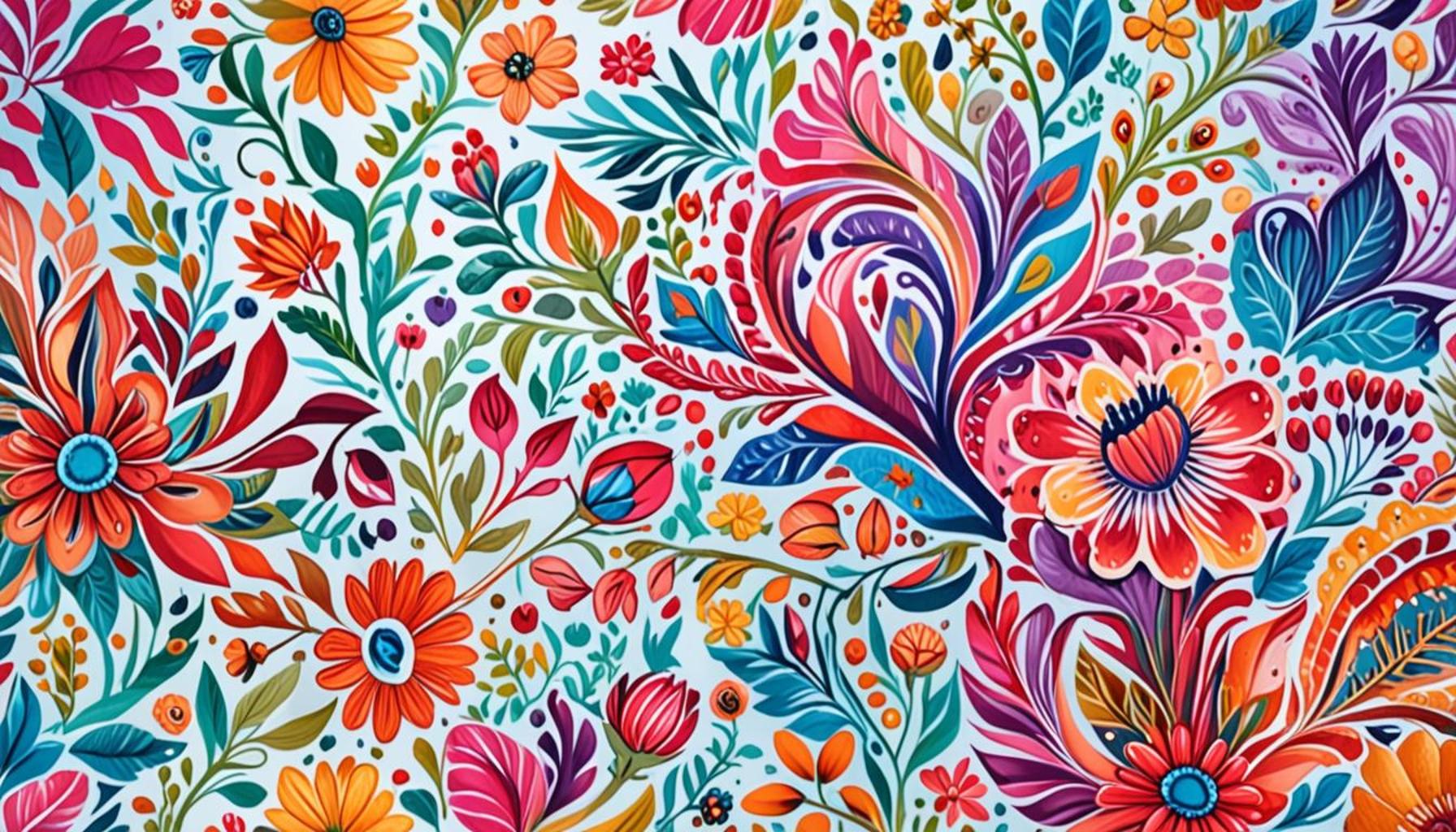
Fabric painting is an exhilarating way to transform ordinary textiles into extraordinary pieces of art. This creative technique not only allows crafters and hobbyists to leave a unique mark on their handmade creations but also serves as a joyful outlet for self-expression. With just a brush and some fabric paint, you can elevate any project and showcase your personal style. Whether it’s designing a custom tote bag, decorating a vibrant tablecloth, or creating an eye-catching t-shirt, the possibilities are virtually limitless.
One of the most appealing aspects of fabric painting is its versatility. You can experiment with various styles, from the precision of stenciling to the fluidity of freehand designs. For instance, using stencils can help beginners achieve clean lines and intricate patterns, while those more comfortable with a brush can enjoy the freedom of spontaneous designs. A simple foliage pattern on a pillowcase, for instance, can breathe life into a dull living space.
Additionally, fabric painting offers the unique opportunity for personalization. This means you’re not just crafting items; you’re telling stories. You might want to commemorate a special event, such as a wedding or a family reunion, by painting significant dates or symbols onto items like table runners or wall hangings. Imagine creating a custom tie-dye t-shirt with your family name boldly front and center—it would surely be a conversation starter at your next gathering.
Moreover, this art form is remarkably accessible. You don’t need a hefty budget to get started—basic materials like fabric paint, brushes, and simple textiles can be found at most craft stores or online retailers. This makes fabric painting an enjoyable hobby for various groups, from kids eager to express their creativity to adults seeking a meditative practice.
Exploring Fabric Painting Techniques
As you delve into the world of fabric painting, you’ll discover a range of techniques that can elevate your creations. From using sponges for texture to employing fabric markers for detailed line work, each technique can yield different results. One popular method is using fabric paint pens for precision, allowing intricate doodles that stand out beautifully against the fabric’s backdrop.
In this article, we will guide you through essential tools, styles, and practical tips that enhance your skills and inspire your creativity. Whether you are a seasoned artist or a curious beginner, the insights presented here will equip you with the knowledge needed to personalize your fabric projects in innovative ways. So, gather your materials and prepare to transform plain textiles into a canvas for self-expression—your next masterpiece awaits!
DISCOVER MORE: Click here for insights on the power of music
Techniques That Transform: Making Fabric Painting Your Own
As you embark on your fabric painting journey, understanding the variety of techniques available is crucial for elevating your projects. Each method has its own unique flair and application, allowing you to express your creativity in myriad ways. Here, we break down some essential fabric painting techniques that can help you make your handmade creations truly one-of-a-kind:
- Brushing: The most traditional technique involves using brushes of various sizes to apply fabric paint directly onto the textile. This method allows for both precise details and broader strokes, enabling painters to create anything from intricate designs to sweeping color blends.
- Stenciling: Using stencils is an excellent way to achieve clean, crisp lines, especially for designs involving shapes or letters. You can easily create custom images by cutting out patterns from stiff plastic or cardboard. Place the stencil on your fabric, use a brush or sponge to apply paint, and voila—a professional finish!
- Sponging: For a more organic, textured effect, consider using sponges to apply paint. This technique can create beautiful blends and gradients, perfect for abstract designs or adding depth to floral patterns. Simply dip a clean sponge into the paint and dab it gently on the fabric.
- Fabric Markers: If you lean towards detailed designs, fabric markers are a fantastic choice. They offer precision similar to that of pens, allowing you to craft fine lines and intricate patterns without the mess that can sometimes accompany paint. These markers are available in various colors, making customization even easier.
- Tie-Dye Techniques: While traditionally known for its vibrant and psychedelic patterns, tie-dye can also be integrated with painted designs for a unique twist. Using fabric dye or paint, you can create stunning spirals, stripes, or spots that can be further embellished with painted details.
Aside from these array of techniques, there are some key practical tips to keep in mind that can enhance your fabric painting experience:
- Choose the Right Fabric: Natural fabrics like cotton or linen tend to absorb paint better than synthetic options, providing vibrant and long-lasting results.
- Always Pre-Wash: Wash the fabric before painting to remove any finishes or sizing, which can interfere with paint adhesion.
- Heat Set Your Work: After completing your painting, follow the manufacturer’s instructions to heat set your designs. This step is vital to ensure the paint remains vibrant and durable after washing.
- Experiment Freely: Don’t hesitate to mix techniques or combine colors until you find the unique style that resonates with you!
By exploring these techniques and tips, you can discover new ways to personalize your fabric projects, allowing your handmade items to tell your story. Each brushstroke or dab can become a statement piece that reflects your individuality, making every item not just a product, but a treasured work of art.
| Technique | Advantages |
|---|---|
| Stenciling | Provides precise and repeated designs, allowing for consistency in personalizing your creations. |
| Fabric Dyeing | Offers a vast range of colors and gradients, enabling deep customization options that can transform any fabric. |
In the realm of fabric painting, stenciling stands out as a beloved method among artisans eager to personalize their handmade creations. This technique elevates not only aesthetics but also boosts efficiency—meaning artisans can achieve a consistent look across multiple pieces. Stencils come in myriad designs, from geometric patterns to intricate florals, making it easy to add a unique flair to bags, cushions, or clothing items.On the other hand, fabric dyeing presents an opportunity to explore an extensive palette of colors. By using various dyeing techniques such as tie-dye, batik, or ombré, creators can manipulate color saturation and create amazing effects. This skill not only allows for personalization but also encourages exploring creativity through experimentation with colors and patterns. Each time you dye a fabric, you engage in a unique process that can yield entirely different results, reinforcing the individuality of your handmade projects. Both of these breathing techniques open up a world of possibilities for transforming ordinary fabrics into stunning canvases for self-expression, leaving a lasting impression on anyone who encounters your handmade masterpieces.
DISCOVER MORE: Click here to delve into the benefits of music
Innovative Strategies: Raising the Bar in Fabric Painting
Once you’re familiar with the fundamental techniques of fabric painting, it’s time to explore innovative strategies that can truly set your creations apart. These methods not only enhance the aesthetic appeal of your projects but also open doors to experimentation and creativity. Here, we delve into advanced approaches that can elevate your fabric painting game:
- Layering: This technique involves applying multiple layers of paint to create depth and complexity in your designs. Begin with a base layer of paint and allow it to dry completely before adding additional layers. This method is particularly effective for watercolor effects or achieving intricate patterns that require fine detailing. For instance, painting a floral design can be enhanced with subtle color variations that only layering can achieve.
- Fabric Appliqué: Fabric appliqué combines painting and sewing, allowing you to create 3D designs. By sewing pieces of painted fabric onto a base fabric, you can add textures and intricate visual elements to your work. This technique is ideal for creating unique patches, decorative accents, or even statement pieces like wall hangings.
- Silk Painting: Traditional silk painting employs the use of gutta or resist to outline designs before applying dye. This intricate technique requires specific fabric paints designed for silk to ensure vibrant colors and smooth application. The luminous finish of silk painting lends an elegant touch to scarves, garments, and home décor, often resulting in pieces that resemble fine art.
- Screen Printing: If you are looking at creating multiple copies of a design, screen printing is unarguably one of the most efficient methods. This technique involves creating a stencil (or screen) for your design and using it to apply ink repeatedly on different items. While it can be more labor-intensive, it opens up avenues for professional-quality designs and more extensive projects.
- Discharge Printing: For those wanting to remove dye rather than apply color, discharge printing is a fascinating technique. It utilizes special chemicals to strip color from fabric, allowing you to create contrasting designs on dyed material. This method can create stunning effects, especially on darker fabrics, leading to striking visual compositions.
In addition to these innovative strategies, incorporating mixed media can further personalize your fabric projects. This method allows you to combine various materials, such as beads, sequins, and even paper into your fabric painting. The juxtaposition of different elements can produce unexpected and eye-catching results, transforming your piece into a multidimensional artwork.
It’s important to stay updated with the latest trends in fabric painting as well. Platforms like Pinterest and Instagram are rich resources for inspiration, showcasing a plethora of ideas and practical tips from other artists. Following hashtags like #FabricPainting, #DIYTextiles, and #HandmadeArt can lead you to discover techniques and applications you may not have previously considered.
Finally, taking the time to practice is essential. While these techniques can ignite your creativity, refinement comes from repeated application. Consider dedicating a sketchbook or canvas specially for this purpose, allowing you to explore your ideas without the pressure of a final product. Remember, the process of creating is often just as important as the end result. Through exploration, trial, and innovation, your fabric painting endeavors can evolve into a vibrant expression of your artistic vision.
DISCOVER MORE: Click here to dive into creative upcycling ideas
Bringing Your Fabric Painting Dreams to Life
In conclusion, fabric painting is not just a craft; it is a powerful avenue for personal expression, enabling creators to inject individual style into every project. By delving into the myriad of techniques such as layering, fabric appliqué, and innovative methods like discharge printing, you can turn ordinary fabric into a personalized masterpiece. These techniques not only elevate the quality of your handcrafted items but also challenge you to think creatively and push the boundaries of your artistic capabilities.
Exploring mixed media opens up even greater possibilities, allowing you to merge textiles with other materials for unique textures and visual impact. Staying attuned to the latest trends through platforms like Instagram and Pinterest can provide a continuous stream of inspiration, ensuring that your creations remain fresh and relevant. By documenting your practice, you allow for growth and improvement, turning experimentation into a consistent aspect of your creative process.
As you embark on your fabric painting journey, remember that each brush stroke, every layer, and all the diverse techniques contribute to a narrative that reflects your personality. Whether you’re crafting for personal enjoyment or seeking to taunt the market with your art, the ability to personalize handmade creations through fabric painting is an incredibly fulfilling pursuit. Embrace the adventure, unleash your creativity, and watch as your handmade treasures come to life.
Related posts:
Paper Folding Techniques: Creating Origami Art for Decorations and Personalized Gifts
Watercolor Painting: Exploring Blending and Layering Techniques for Stunning Effects
Fabric Painting: Exploring Application Techniques and Design for Clothing and Accessories
Fabric Stamping Techniques: Personalizing Clothes and Accessories with Style
Creative Upcycling Transform Recyclable Materials into Art Projects
The Magic of Ceramics: Shaping and Painting Techniques to Create Unique Pieces

Linda Carter is a writer and creative hobbies expert specializing in crafting, DIY projects, and artistic exploration. With extensive experience helping individuals discover their creative potential and bring their ideas to life, Linda shares her knowledge on our platform. Her goal is to empower readers with practical tips, inspiring ideas, and step-by-step strategies for success in the world of creative hobbies.