Technology and Creativity: How to Use 3D Printers in Artistic Hobbies
Unleashing Creative Potential Through 3D Printing
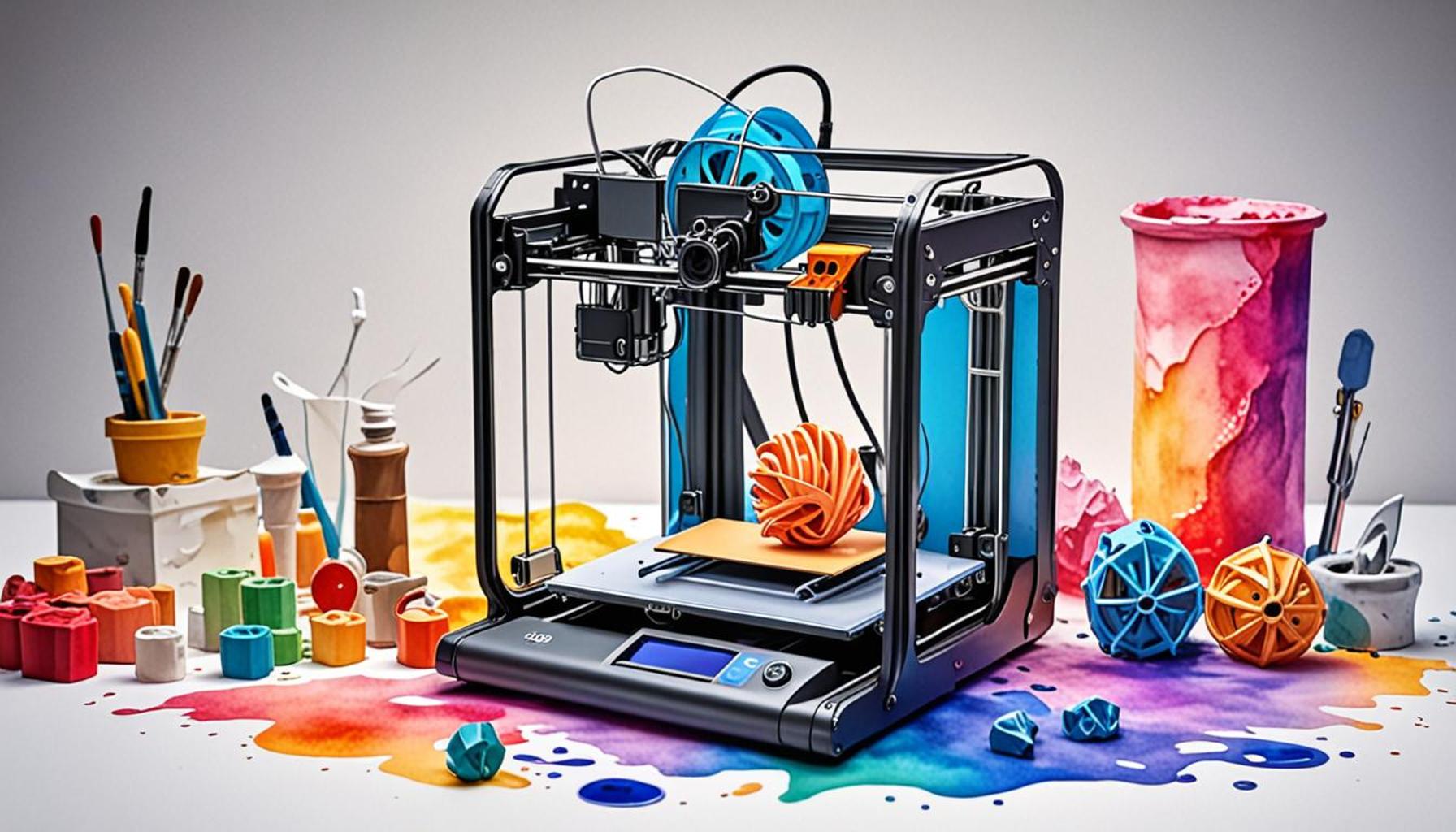
In the landscape of modern art, the integration of technology with creativity has given rise to fresh avenues for self-expression and innovation. One of the standout advancements is 3D printing, a revolutionary technology that not only offers new methods for creation but also invites enthusiasts to rethink and reshape their artistic processes. The implications of this transformative tool are vast, transforming how art is conceived, designed, and brought to life.
Consider the landscape of artistic production today. With 3D printers, artists can break free from the restraints of traditional methods, experimenting more freely than ever before. Imagine being able to create intricate sculptures that would have taken weeks or even months to carve by hand, now complete in a matter of hours. This allows for rapid prototyping of creative ideas, enabling artists to iterate quickly on their concepts, test new designs, and refine their visions without the hefty costs and time traditionally associated with art production.
- Personalized art pieces are another compelling use of 3D printing. Artists can design unique objects that cater specifically to individual tastes and styles, elevating the concept of bespoke art to new heights. For instance, a designer could craft a custom piece that melds the preferences of a client into a striking sculpture or functional art piece, leading to a more engaging relationship between the artist and the audience.
- Cost-effective production is a significant advantage for hobbyists and emerging artists. With access to affordable 3D printers, creatives can experiment without the fear of waste and expense that typically holds back innovation. This democratization of art allows more voices to be heard and encourages budding artists to dive into their creative pursuits with enthusiasm and confidence.
Across the United States, a burgeoning community of artists and makers is enthusiastically adopting this technology. From graphic designers who find themselves crafting elaborate prototypes to fashionistas designing avant-garde jewelry, the fusion of digital design with hands-on crafting yields a dynamic landscape of creativity. Workshops and online courses dedicated to 3D printing are popping up everywhere, with cities like San Francisco and New York leading the charge in innovation hubs where technology meets artistry.
As we simplify the complexities of this technology, it is essential to explore how you, too, can integrate 3D printing into your artistic practices. Whether you’re just starting your journey or are well-versed in the world of art, understanding the functionalities of 3D printers can significantly enhance your creative toolkit. By embracing the potential of 3D printing, you open the doors to endless possibilities, turning even the most whimsical ideas into tangible realities.
DISCOVER MORE: Click here for seasonal DIY decor ideas
Embracing 3D Printing in Artistic Expression
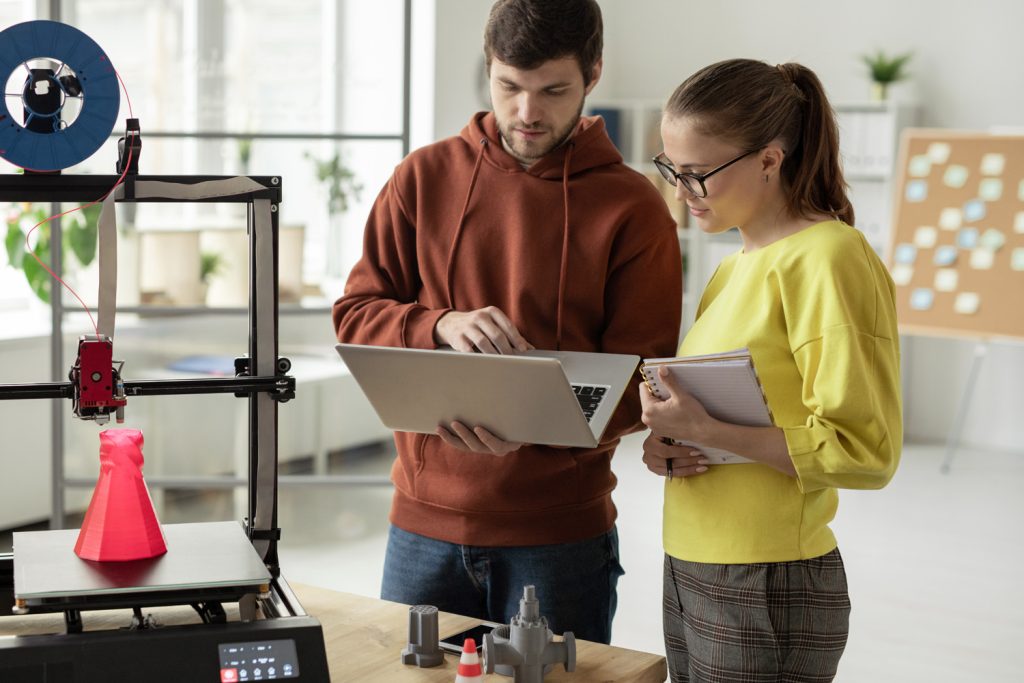
The incorporation of 3D printing into artistic hobbies is not just a trend; it’s a paradigm shift that empowers artists to explore new dimensions of creativity. Unlike traditional mediums, 3D printing allows for a fusion of artistic vision and precise engineering, resulting in unique artwork that boasts both aesthetic appeal and functional design. This technology has democratized artistic expression, making it more accessible to both seasoned artists and novices alike.
The fundamental process of 3D printing involves designing a digital model, which is then translated into a physical object through layer-by-layer deposition of materials. This means artists can harness software like Tinkercad and Blender to bring their concepts to life. The freedom to mold, modify, and manipulate elements digitally can lead to unexpected results, allowing creativity to flourish in ways previously unimaginable.
Enhancing Your Artistic Toolkit
For artists seeking to integrate 3D printing into their work, the following approaches are essential in making the most out of this technology:
- Experiment with different materials: 3D printers can handle a variety of materials, from plastics to more advanced options like resin and metal. Each medium offers distinct characteristics, allowing artists to experiment with textures, colors, and finishes that align with their vision.
- Combine digital and physical techniques: Artists can start with digital sketches and models, then transition into traditional methods such as painting or assembling different segments. This hybrid approach can yield captivating results, marrying the best of both worlds.
- Join workshops and maker spaces: Participating in local organizations and maker spaces can provide hands-on experience and access to industrial-grade 3D printers. Collaborating with others fosters a sense of community and shared knowledge, often leading to innovative techniques and ideas.
- Utilize online resources: Numerous online platforms offer free resources, tutorials, and communities to support artists in their 3D printing endeavors. Websites like Thingiverse provide a treasure trove of downloadable designs that can inspire and be customized for personal projects.
Across the nation, artists are experimenting with 3D printing in ways that challenge traditional art forms. For example, sculptors may use 3D supports for large pieces that could be impractical to cast or carve by hand. Jewelry designers are leveraging this technology to create intricate designs that would be labor-intensive to produce through conventional methods. In fact, 3D-printed fashion is making waves with designers creating entire garments that defy typical production limitations.
As you delve into the world of 3D printing, the possibilities are limited only by your imagination. Whether you are a professional artist or a hobbyist exploring your newfound passion, embracing this innovative technology can catalyze your artistic journey, opening new doors to creativity and expression. The intersection of technology and art is not just about tools; it’s about expanding the scope of what art can be. So, where will 3D printing take you on your creative adventure?
| Advantages | Key Features |
|---|---|
| Customization | 3D printers allow artists to create unique, tailor-made designs that reflect their individuality. |
| Efficiency | Rapid prototyping accelerates the creative process, enabling quicker iterations and innovations in art projects. |
| Accessibility | Affordable 3D printing technology has made it easier for hobbyists to experiment without large initial investment. |
In addition to enhancing customization, 3D printers have revolutionized the efficiency of artistic hobbies. Artists can swiftly create prototypes and make necessary adjustments, all while minimizing material waste. For instance, sculptors can try different shapes and sizes before committing to a material with the click of a button. This not only saves time but also fosters innovation, encouraging them to experiment with new ideas without the fear of costly mistakes.Furthermore, increased accessibility to this technology democratizes the art world. Artists who may have previously felt limited by their medium can now explore complex structures and intricate designs. Platforms that allow users to download and print free or affordable 3D designs expand the horizons for hobbyists, enabling them to bring their visions to life in ways previously thought impossible.Moreover, the potential for collaboration in the 3D printing community enhances creativity. Artists can share their creations, collaborate on projects, and engage in a two-way exchange of ideas, which inspires further innovation. This interconnectedness fosters a thriving ecosystem where creativity and technology harmoniously blend, ultimately reshaping artistic expression in various mediums. By embracing 3D technology, artists open themselves to a landscape rich with opportunities for exploration and self-expression. This is the future of both technology and creativity—one where possibilities are virtually limitless.
DIVE DEEPER: Click here to discover creative upcycling ideas!
Innovative Applications of 3D Printing in Artistry
The versatility of 3D printing in artistic expression knows no bounds, propelling artists into uncharted territories of design and creativity. Artists worldwide have begun to pivot away from convention, utilizing this cutting-edge technology to reimagine what can be achieved through their crafts. Various sectors within the arts, including visual arts, fashion design, and architecture, have witnessed a revolutionary enhancement through the adoption of 3D printing, reshaping the landscape of artistic production.
Visual Arts: Redefining Sculpture and Installation
In visual arts, traditional methods of sculpture and installation have been transformed. Artists like Jessica Rosenkrantz, known for her company Nervous System, use 3D printing to create stunningly intricate organic forms that mimic nature, such as coral-like sculptures that can serve as both art and functional furniture. These pieces push the limits of what is feasible with manual labor alone, enabling the crafting of designs that might be impossible to achieve through traditional techniques.
- Integration of electronics: 3D printing also allows artists to incorporate electronics into their pieces, giving rise to interactive art. By embedding sensors into 3D-printed structures, artists can create installations that react to viewer interaction, offering a unique experience that engages audiences in profoundly imaginative ways.
- Public art projects: Large-scale public art projects can utilize 3D printing to produce components offsite before final installation. This method not only enhances the project’s creativity but also facilitates quicker assembly and lower costs, helping communities beautify their spaces with less time and effort.
Fashion: The Future of Wearable Art
The realm of fashion exemplifies how 3D printing can usher in a new era of design. Forward-thinking designers like Danit Peleg are crafting entire clothing lines using 3D printing technology. Her work has demonstrated that garments are not merely textiles; they can become intricate, 3D-printed creations that push previous boundaries of material usage. Items can be customized to fit individual preferences, allowing for personalized expression that traditional fashion does not typically offer.
This level of customization doesn’t stop with sizes. Artists can manipulate the geometry, pattern, and color of each piece, resulting in bespoke items that are one-of-a-kind. The potential for sustainable fashion also emerges from 3D printing, as production waste can be reduced, reusing materials to create stunning designs that have less environmental impact.
Architecture and Print Design: A New Build
Within the architecture sector, 3D printing is revolutionizing the way structures can be constructed. It allows for the production of complex designs and features that would otherwise be expensive and labor-intensive. Projects like the 3D-printed houses in California demonstrate how the technology can lead to affordable housing solutions while maintaining architectural aesthetics.
As more architects experiment with additive manufacturing, the result is an inspiring fusion of technology and creativity that opens new avenues for artistry. These advancements not only enhance visual aesthetics but also promise functionality, sustainability, and the ability to create designs that are tailored to individual needs.
In summary, as you consider the limitless potential of 3D printers in artistic hobbies, remember that you’re not only adopting a tool but participating in a powerful movement redefining the art landscape. This fusion of technology and creativity is merely the beginning, as artists continue to explore and innovate their practices in this exciting new terrain.
DISCOVER MORE: Click here to dive deeper
Conclusion
The intersection of technology and creativity has never been more vivid, particularly with the groundbreaking advancements in 3D printing. This dynamic tool is expanding the horizons for artists and hobbyists alike, allowing them to bring their most imaginative visions to life. From intricate works of art in the visual arts to revolutionary designs in fashion and architecture, 3D printing fosters a newfound freedom in expression that traditional methods could only dream of.
As this technology continues to evolve, the potential for innovation becomes even more staggering. Artists are not merely reproducing existing ideas but are now equipped to experiment freely, pushing boundaries and redefining their crafts. The ability to customize, create sustainable designs, and integrate electronics are just a few examples of how 3D printing is enhancing artistic hobbies across the board.
As you explore the endless possibilities of incorporating 3D printers into your own artistic endeavors, consider the benefits beyond aesthetics. The capacity to save time, reduce waste, and create unique, personalized works can transform an artist’s journey. As you navigate this expanding landscape, remember that embracing this technology is not just about keeping pace with trends, but rather about being part of a vibrant community poised to shape the future of art. By merging creativity with technology, you open the door to an inspiring world of limitless potential.
Related posts:
The Maker Movement: How 3D Printing is Revolutionizing Creative Hobbies
Digital Art Therapy: Innovative Projects Combining Creativity and Mental Health Benefits
Exploring the Intersection of DIY and Digital: How Online Platforms are Inspiring Innovative Craft P...
Crafting with Purpose: Innovative Community Projects that Promote Social Change through Creative Hob...
Collaborative Creative Hobbies: Building Community Through Innovative Group Projects
Sustainable Creative Hobbies: Innovative Projects Using Recycled Materials
Linda Carter is a writer and creative hobbies expert specializing in crafting, DIY projects, and artistic exploration. With extensive experience helping individuals discover their creative potential and bring their ideas to life, Linda shares her knowledge on our platform. Her goal is to empower readers with practical tips, inspiring ideas, and step-by-step strategies for success in the world of creative hobbies.